






Understanding Capacitor Cabinets: Essential Insights for the Electronics Industry
Release time:
2026-11-15

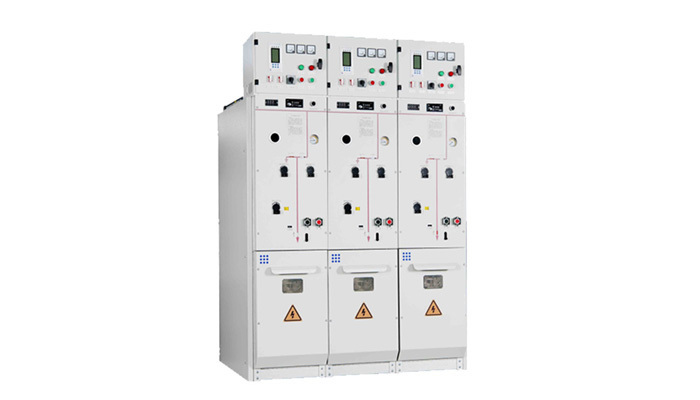
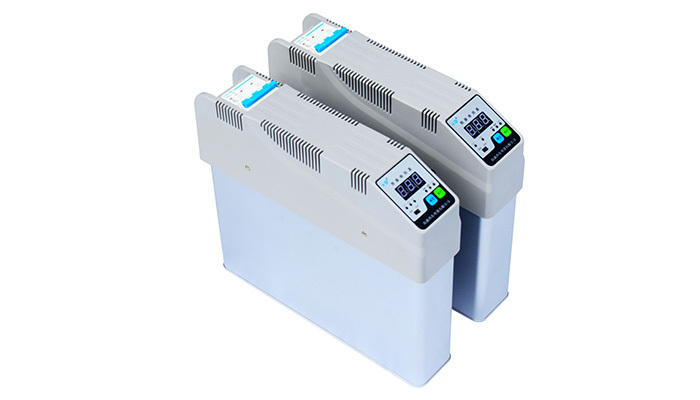
Capacitor cabinets are integral components in the realm of electrical engineering, often employed to manage power factor correction and enhance the efficiency of electrical systems. These cabinets house multiple capacitors and are designed to work seamlessly with various types of electrical networks. Understanding their role and functionality can greatly benefit professionals in the electronics industry.
At their core, capacitor cabinets serve to store electrical energy and release it when needed. This capability helps stabilize voltage and improve the quality of the electrical supply, which is vital for both industrial and commercial applications. By reducing the reactive power demand from the grid, capacitor cabinets lead to lower energy costs and improved overall system efficiency.
When considering the design and construction of a capacitor cabinet, several factors come into play. Firstly, the cabinet must be built to withstand environmental conditions, which may include temperature fluctuations, humidity, and dust. Therefore, materials used in the cabinet’s construction should be durable and capable of protecting the internal components from external elements.
Moreover, the arrangement and sizing of capacitors within the cabinet should be calculated to meet the specific load requirements of the application. This means that a thorough understanding of the electrical system's demands is crucial for optimal capacitor performance. Additionally, incorporating safety features, such as fuses and protective relays, is essential to safeguard against electrical faults.
Another important aspect of capacitor cabinets is their role in harmonics management. Electrical systems can generate harmful harmonics that lead to inefficiency and equipment damage. By installing capacitor cabinets, companies can not only improve power factor but also mitigate harmonic distortion, ensuring the longevity and reliability of their electrical systems.
Furthermore, maintenance of capacitor cabinets is critical for ensuring their longevity and functionality. Regular inspections and testing of the capacitors and connections can prevent issues that may arise from wear and tear. Proper maintenance practices can extend the lifespan of the equipment and enhance the stability of the electrical supply.
In conclusion, capacitor cabinets play a pivotal role in the efficiency of electrical systems within the electronics industry. Their ability to store and release electrical energy effectively contributes to improved power factor, reduced energy costs, and enhanced system reliability. Understanding the design considerations, functionality, and importance of these cabinets can lead to a more efficient and cost-effective approach to managing electrical systems. For professionals in the electronics sector, investing time in learning about capacitor cabinets can yield substantial benefits in both performance and energy savings.
Latest information
Get a Free Consultancy
If you have any suggestions, please leave a message or send an email to us.

Xidong Electric Appliance
Contact Information
Service Hotline
Telephone: +86 13962924051
Whatsapp: +60 11 69869211
E-mail:ghx@xidongdq.com
Address: Tongyu Avenue, Chengdong Town Industrial Park, Haian County, Jiangsu Province
Copyright © 2025 Nantong Xidong Electric Co., Ltd. Powered by www.300.cn
Business License