






The Importance of Proper Ventilation for Low Voltage Cabinets: A Comprehensive Guide
Release time:
2026-11-10

The Importance of Proper Ventilation for Low Voltage Cabinets
Understanding Low Voltage Cabinets
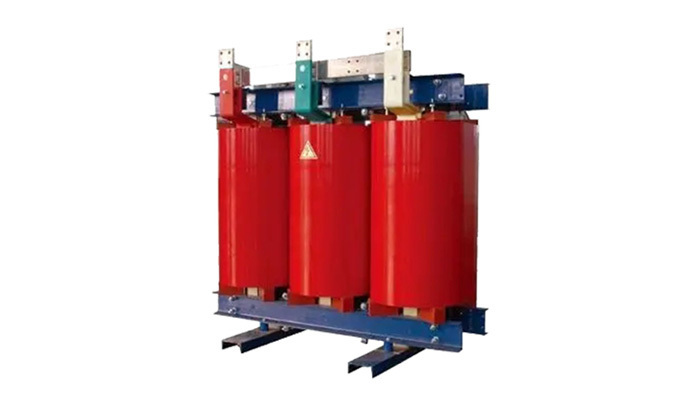
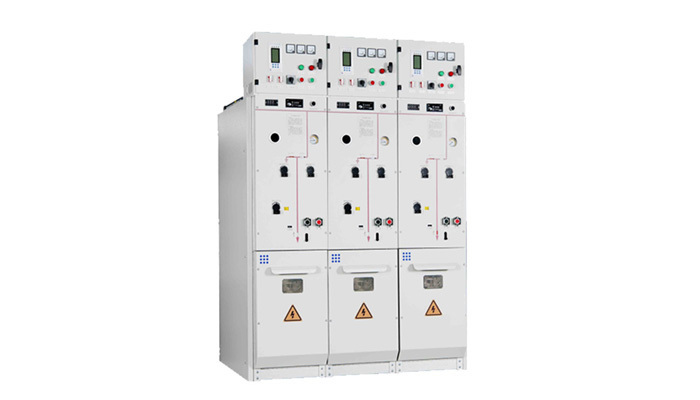
Low voltage cabinets are essential components in various electrical systems, serving as protective enclosures for electrical equipment operating at lower voltage levels. These cabinets house critical elements such as transformers, circuit breakers, and other control devices that require careful management to ensure their safe and efficient operation. Proper ventilation is key to maintaining an optimal environment inside these cabinets, preventing overheating, and prolonging the lifespan of the equipment.
The Role of Ventilation in Low Voltage Cabinets
Effective ventilation in low voltage cabinets is not just about airflow; it directly influences the overall performance and safety of the electrical systems they protect. Here are several pivotal reasons why ventilation must be prioritized:
1. Preventing Overheating
Electrical components generate heat during operation. Without adequate ventilation, this heat can build up, leading to overheating. Overheating can cause equipment failure, reduce efficiency, and even pose fire hazards. Ventilation systems effectively dissipate this heat, ensuring that temperatures remain within safe operational limits.
2. Enhancing Equipment Longevity
Heat is the enemy of electrical components. Consistent exposure to high temperatures can degrade materials and lead to premature failure. By ensuring proper ventilation, we can maintain an optimal temperature range, thus extending the lifespan of the equipment housed within the cabinets.
3. Improving Performance and Efficiency
Proper airflow helps maintain the efficiency of electrical components. When equipment operates at an optimal temperature, it performs better and consumes less energy. This leads to improved overall system efficiency, which is crucial for both performance and cost savings.
Designing an Effective Ventilation System
Creating an effective ventilation system for low voltage cabinets involves several design considerations. Here are some key aspects to keep in mind:
1. Airflow Dynamics
Understanding airflow dynamics is critical for effective ventilation. The design should facilitate natural convection currents, allowing cooler air to flow in and warm air to exit seamlessly. To achieve this, consider the positioning of vents, fans, and other airflow management elements.
2. Type of Ventilation
There are two main types of ventilation systems: passive and active. Passive ventilation relies on natural airflow through vents, while active ventilation uses fans to enhance airflow. The choice between these systems depends on factors such as cabinet size, location, and equipment heat output.
3. Location of Vents
The placement of vents is vital for optimal air circulation. Vents should be strategically located at the bottom for intake and at the top for exhaust, taking advantage of natural convection. Additionally, ensure that vents are not obstructed by other equipment or environmental elements.
4. Temperature Monitoring
Implementing temperature monitoring systems can provide real-time data on the thermal conditions inside the cabinet. This information can be invaluable for detecting potential overheating issues and facilitating timely interventions to prevent equipment damage.
Common Ventilation Challenges
While designing effective ventilation for low voltage cabinets, several challenges may arise:
1. Space Constraints
Limited space can make it challenging to implement an effective ventilation system. In such cases, consider using compact fans or specialized air circulation devices that can fit within the available space while still providing adequate airflow.
2. Environmental Conditions
The environment in which the cabinets are located can impact ventilation effectiveness. For instance, high ambient temperatures or humidity levels may require specialized ventilation solutions to maintain optimal conditions inside the cabinet.
3. Dust and Contaminant Ingress
Dust and other contaminants can affect the performance of ventilation systems and the equipment housed within the cabinets. Implementing filters and regularly maintaining the ventilation system can help mitigate these issues.
Best Practices for Maintaining Proper Ventilation
To ensure continued effective ventilation in low voltage cabinets, follow these best practices:
1. Regular Inspections
Conduct routine inspections of the ventilation system and the cabinet's internal environment. Look for signs of overheating, dust accumulation, and any obstructions that may impede airflow.
2. Clean Air Filters
If using an active ventilation system with filters, it is essential to regularly clean or replace them to ensure unobstructed airflow. Clogged filters can significantly reduce ventilation efficiency.
3. Monitor Temperature and Humidity Levels
Utilizing monitoring tools to track temperature and humidity levels within the cabinet can provide early warnings of potential issues. This allows for proactive measures to be taken before problems escalate.
4. Educate Personnel
Ensure that personnel responsible for maintaining low voltage cabinets are educated about the importance of ventilation and the best practices associated with it. A knowledgeable team can better manage ventilation-related issues.
The Impact of Proper Ventilation on Safety
Effective ventilation does not only enhance the performance and longevity of electrical equipment; it also plays a crucial role in safety. Overheating can lead to catastrophic failures, including fire hazards. By ensuring proper airflow and temperature management, we can significantly reduce the risk of electrical fires and other safety concerns.
FAQs About Proper Ventilation for Low Voltage Cabinets
1. What are the signs that my low voltage cabinet lacks proper ventilation?
Signs include excessive heat, unusual noises from fans, equipment failure, and visible dust accumulation inside the cabinet.
2. How often should I perform maintenance on my low voltage cabinet ventilation system?
Regular inspections should be done at least once every three months, with thorough cleaning and filter replacement as needed.
3. Can I use a passive ventilation system for all low voltage cabinets?
While passive systems are effective in many cases, high heat-generating equipment may require active ventilation to ensure adequate airflow.
4. What are the potential consequences of neglecting ventilation in low voltage cabinets?
Neglecting ventilation can lead to overheating, equipment malfunctions, increased energy consumption, and safety hazards such as fires.
5. Are there any specific regulations regarding ventilation for electrical equipment enclosures?
Yes, various local and international electrical safety codes outline requirements for ventilation and cooling of electrical enclosures. Always refer to relevant standards when designing your system.
Conclusion
Proper ventilation for low voltage cabinets is a critical aspect that impacts the performance, longevity, and safety of electrical systems. By understanding the significance of airflow and implementing effective design practices, we can ensure that these cabinets operate efficiently. Regular maintenance, monitoring, and adherence to best practices will help mitigate risks associated with overheating and prolong the life of the equipment. Investing in proper ventilation is not merely a choice; it is a necessity for anyone looking to preserve the integrity of their electrical systems.
Latest information
Get a Free Consultancy
If you have any suggestions, please leave a message or send an email to us.

Xidong Electric Appliance
Contact Information
Service Hotline
Telephone: +86 13962924051
Whatsapp: +60 11 69869211
E-mail:ghx@xidongdq.com
Address: Tongyu Avenue, Chengdong Town Industrial Park, Haian County, Jiangsu Province
Copyright © 2025 Nantong Xidong Electric Co., Ltd. Powered by www.300.cn
Business License