






The Role of Capacitor Cabinets in Enhancing Energy Efficiency: A Comprehensive Guide
Release time:
2026-10-09

The Role of Capacitor Cabinets in Enhancing Energy Efficiency
Table of Contents
- Introduction to Capacitor Cabinets and Energy Efficiency
- Understanding Capacitor Cabinets
- Benefits of Capacitor Cabinets for Energy Efficiency
- Applications of Capacitor Cabinets in Various Industries
- How Capacitor Cabinets Work to Improve Energy Efficiency
- Selecting the Right Capacitor Cabinet for Your Needs
- Maintenance and Safety Issues with Capacitor Cabinets
- The Future of Capacitor Technology in Energy Efficiency
- Conclusion
- FAQs About Capacitor Cabinets
Introduction to Capacitor Cabinets and Energy Efficiency
In today's energy-conscious world, businesses are continuously seeking ways to enhance energy efficiency and reduce their operational costs. Among various strategies, the deployment of **capacitor cabinets** stands out as a crucial method for improving power factor and enhancing overall energy efficiency. Capacitor cabinets can help organizations not only save money but also contribute to a greener environment by reducing energy waste.
Understanding Capacitor Cabinets
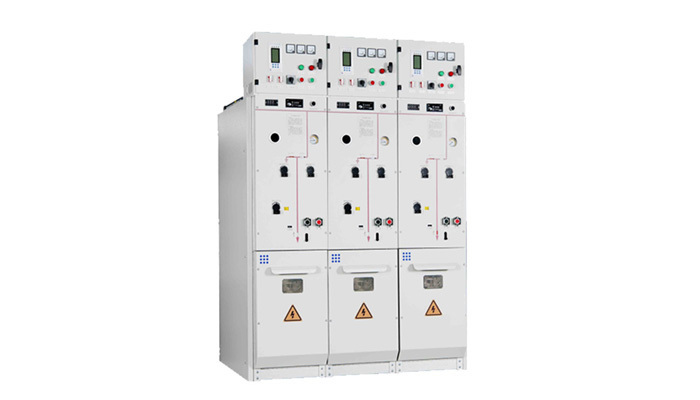
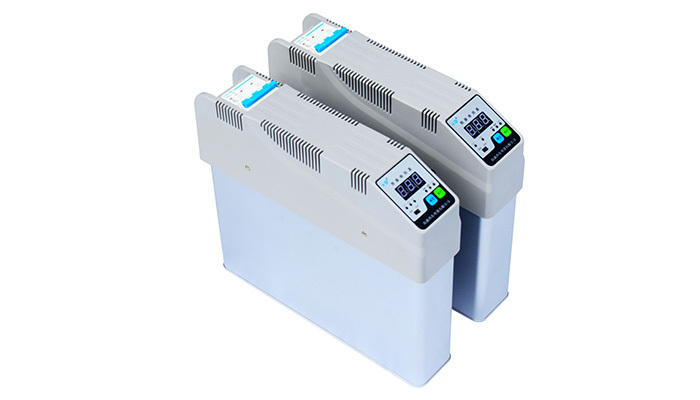
Capacitor cabinets are essential components in electrical systems used to improve power factor and stabilize voltage levels. They consist of multiple capacitors housed in a protective enclosure, designed for ease of installation and maintenance. These cabinets can be integrated into various types of electrical networks, including industrial plants, commercial buildings, and utility operations.
**Capacitors** store electrical energy and release it when needed, thereby minimizing the demand on the power supply. This ability to provide reactive power can help mitigate issues related to voltage drops and fluctuations, making capacitor cabinets a pivotal tool in modern energy management.
Benefits of Capacitor Cabinets for Energy Efficiency
Capacitor cabinets offer a myriad of benefits that contribute to energy efficiency:
1. Improved Power Factor
A primary benefit of capacitor cabinets is their ability to improve power factor, which is the ratio of real power to apparent power in an electrical system. By correcting the power factor, businesses can reduce their electricity costs and avoid penalties from utility providers.
2. Reduced Energy Losses
By minimizing energy losses due to reactive power, capacitor cabinets help organizations enhance their energy efficiency. This reduction in losses translates to lower electricity bills and improved operational efficiency.
3. Enhanced Voltage Stability
Capacitor cabinets contribute to voltage stability by compensating for reactive power demands. This stability is crucial for ensuring the reliable operation of sensitive equipment and machinery, thereby extending their lifespan and reducing maintenance costs.
4. Lower Carbon Footprint
By optimizing energy usage, capacitor cabinets play a significant role in lowering a facility's carbon footprint. Reducing energy consumption not only saves money but also helps organizations meet sustainability goals and comply with environmental regulations.
5. Increased Equipment Lifespan
By minimizing voltage fluctuations and enhancing power quality, capacitor cabinets can extend the lifespan of electrical equipment. This reduction in wear and tear ultimately leads to lower replacement costs and fewer unplanned downtimes.
Applications of Capacitor Cabinets in Various Industries
Capacitor cabinets have diverse applications across numerous sectors:
1. Manufacturing
In manufacturing facilities, capacitor cabinets are instrumental in maintaining power quality, especially in plants with heavy machinery. The stabilization of voltage ensures that equipment operates efficiently, reducing downtime and maintenance costs.
2. Commercial Buildings
Commercial structures often consume significant amounts of energy for lighting, heating, and cooling. The installation of capacitor cabinets can help optimize energy usage, resulting in substantial savings on energy bills.
3. Utilities
Utility companies utilize capacitor cabinets to manage reactive power in the electrical grid. This practice enhances grid reliability and efficiency, allowing for better load management and reduced energy losses.
4. Renewable Energy Systems
Capacitor cabinets are also vital in renewable energy systems, such as wind and solar farms. They help stabilize the output from these variable energy sources, ensuring that power quality is maintained.
How Capacitor Cabinets Work to Improve Energy Efficiency
Capacitor cabinets operate based on the principles of reactive power compensation. In an electrical system, inductive loads such as motors and transformers consume reactive power, which does not perform any useful work but is necessary for creating magnetic fields.
When a capacitor is introduced into the system, it provides reactive power locally, reducing the demand on the grid. This **reactive power compensation** leads to several advantages:
1. Reduction of Current Demand
Since capacitor cabinets supply reactive power, they reduce the amount of current drawn from the grid. This reduction minimizes losses in transmission lines and transformers, ultimately leading to improved energy efficiency.
2. Improved System Efficiency
By mitigating voltage drops and stabilizing power flow, capacitor cabinets enhance overall system efficiency. This efficiency leads to reduced energy consumption without compromising performance.
3. Connection to Automatic Control Systems
Modern capacitor cabinets can be integrated with automatic control systems that allow for real-time monitoring and adjustments. This capability enables organizations to optimize energy usage dynamically and respond to changing load conditions.
Selecting the Right Capacitor Cabinet for Your Needs
Choosing the appropriate capacitor cabinet requires careful consideration of various factors:
1. Load Characteristics
Understanding the specific load characteristics of your facility is critical. Evaluate the types of equipment in use, their power factor, and any seasonal fluctuations in demand.
2. Capacity Requirements
Determine the required capacitance to achieve the desired power factor correction. This assessment involves analyzing the existing power factor and identifying the target level needed for optimal efficiency.
3. System Voltage
Ensure that the capacitor cabinet is compatible with your system voltage. Selecting the correct voltage rating is essential for ensuring safety and performance.
4. Physical Space and Installation
Consider the available physical space for installation, as well as any specific requirements for ventilation and accessibility. Proper installation is crucial for the system's long-term performance.
5. Quality and Compliance
Finally, ensure that the selected capacitor cabinet meets relevant industry standards and compliance regulations. Choosing high-quality components enhances reliability and longevity.
Maintenance and Safety Issues with Capacitor Cabinets
While capacitor cabinets are generally low-maintenance, certain best practices should be followed to ensure their longevity and safe operation:
1. Regular Inspections
Conduct regular inspections to identify any potential issues, such as signs of wear, corrosion, or loose connections. Early detection can prevent more significant problems down the line.
2. Cleaning and Environmental Considerations
Ensure that the capacitor cabinet is kept clean and free from debris. Environmental factors such as moisture and temperature can impact performance, so it’s essential to address these considerations.
3. Safety Protocols
Implement safety protocols during maintenance activities. Capacitor banks can retain charge even when disconnected, so proper safety gear and procedures should be followed.
The Future of Capacitor Technology in Energy Efficiency
As industries continue to prioritize energy efficiency, the future of capacitor technology looks promising. Innovations in materials and smart technology integration will likely lead to more efficient and compact capacitor cabinets. Enhanced functionalities such as predictive maintenance, remote monitoring, and advanced control systems will further optimize energy usage across various sectors.
Emerging trends in renewable energy and smart grid technology will also drive advancements in capacitor cabinets, making them an integral part of future energy systems. The emphasis on sustainability will push for more efficient designs, contributing positively to the environment.
Conclusion
Capacitor cabinets play a pivotal role in improving energy efficiency across various industries. By enhancing power factor, stabilizing voltage, and minimizing energy losses, these systems contribute significantly to lowering operational costs and reducing carbon footprints. Understanding their function, applications, and maintenance is crucial for organizations looking to optimize their energy usage effectively.
As energy efficiency continues to gain importance in today's economy, investing in capacitor cabinets is not just a matter of compliance but a strategic decision for long-term sustainability and profitability.
FAQs About Capacitor Cabinets
1. What is the primary function of a capacitor cabinet?
The primary function of a capacitor cabinet is to improve power factor and stabilize voltage in electrical systems, thereby enhancing overall energy efficiency.
2. How do capacitor cabinets reduce energy costs?
By providing reactive power locally, capacitor cabinets reduce the demand on the electrical grid, leading to lower energy losses and potential savings on electricity bills.
3. What industries benefit most from capacitor cabinets?
Industries such as manufacturing, utilities, commercial buildings, and renewable energy systems benefit significantly from capacitor cabinets due to their energy-saving capabilities.
4. Are there safety concerns with capacitor cabinets?
Yes, capacitor cabinets can retain charge even when disconnected, so proper safety protocols should be followed during maintenance to prevent electrical hazards.
5. How can I determine the right size capacitor cabinet for my facility?
Consider factors such as load characteristics, existing power factor, capacity requirements, and system voltage when determining the appropriate size for a capacitor cabinet. Consulting with an energy management professional can also help tailor the solution to your specific needs.
Latest information
Get a Free Consultancy
If you have any suggestions, please leave a message or send an email to us.

Xidong Electric Appliance
Contact Information
Service Hotline
Telephone: +86 13962924051
Whatsapp: +60 11 69869211
E-mail:ghx@xidongdq.com
Address: Tongyu Avenue, Chengdong Town Industrial Park, Haian County, Jiangsu Province
Copyright © 2025 Nantong Xidong Electric Co., Ltd. Powered by www.300.cn
Business License