


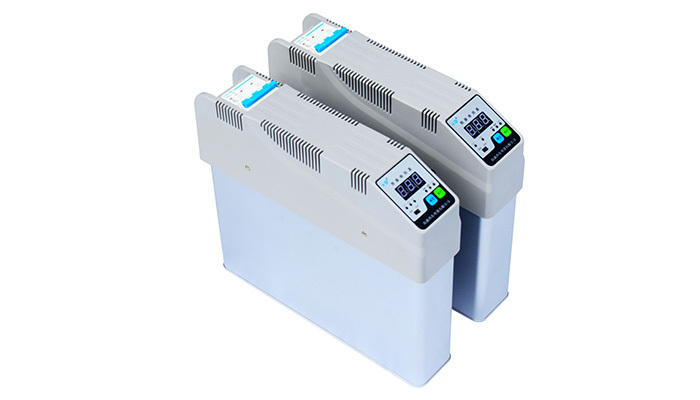
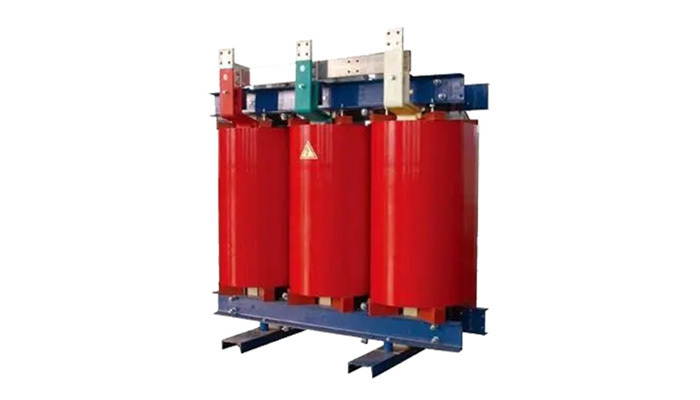




Reactive Power Compensation Controller: Enhancing Power System Efficiency and Stability
Release time:
2025-12-15

In modern electrical systems, managing reactive power is essential to ensure efficiency, reduce losses, and maintain voltage stability. The Reactive Power Compensation Controller has become an indispensable tool for industrial, commercial, and utility-scale power networks. By optimizing the flow of reactive power, this device enhances system performance, reduces electricity costs, and prevents potential damage to sensitive equipment.
Reactive power occurs naturally in alternating current (AC) systems due to inductive and capacitive loads such as motors, transformers, and lighting systems. Excessive reactive power can lead to low power factor, higher energy consumption, voltage fluctuations, and overloading of electrical components. The Reactive Power Compensation Controller dynamically monitors voltage and current in real time, adjusting reactive power through capacitors, reactors, or advanced power electronics to maintain optimal system conditions.
One of the primary benefits of the Reactive Power Compensation Controller is its ability to improve the power factor of electrical networks. A higher power factor reduces line losses, lowers utility charges, and enhances overall system efficiency. In industrial settings, where large motors and inductive loads are common, maintaining an optimal power factor can result in significant energy savings and a reduction in operational costs. This makes the Reactive Power Compensation Controller a cost-effective solution for factories, manufacturing plants, and large commercial facilities.
Beyond cost savings, the Reactive Power Compensation Controller plays a critical role in stabilizing voltage levels across power networks. Voltage fluctuations can negatively impact sensitive equipment, lead to inefficient operation, and even cause unplanned downtime. By continuously adjusting reactive power, the controller maintains voltage stability, ensuring reliable operation of motors, pumps, HVAC systems, and other electrical devices. This capability is particularly valuable in industrial and commercial environments where operational continuity is critical.
Modern Reactive Power Compensation Controllers are equipped with advanced features such as digital monitoring, remote control, and programmable settings. Many units integrate seamlessly with SCADA (Supervisory Control and Data Acquisition) systems, allowing operators to track performance, detect anomalies, and optimize system settings from a central control room. Automation and real-time feedback enhance responsiveness, ensuring that reactive power is managed efficiently under varying load conditions.
Safety and protection are also key aspects of the Reactive Power Compensation Controller. Overvoltage, overcurrent, or capacitor faults can compromise both the controller and connected equipment. Advanced controllers include built-in protections, such as automatic disconnection, fault alarms, and self-diagnostic functions. These measures prevent equipment damage, reduce maintenance requirements, and provide peace of mind for system operators.
In addition to industrial and commercial applications, the Reactive Power Compensation Controller is vital in utility grids and renewable energy systems. With the growing integration of solar, wind, and other intermittent energy sources, power systems are increasingly exposed to voltage instability and reactive power fluctuations. Controllers help maintain grid reliability, minimize losses, and support the integration of distributed energy resources, contributing to sustainable energy management.
From an economic perspective, installing a Reactive Power Compensation Controller can lead to significant long-term savings. Reduced energy losses, lower electricity bills, and extended equipment life all contribute to a faster return on investment. Moreover, compliance with utility regulations and standards regarding power factor and reactive power management can avoid penalties, further enhancing the value of the controller.
Environmental benefits are another consideration. By improving energy efficiency and reducing losses, the Reactive Power Compensation Controller contributes to lower greenhouse gas emissions and reduced energy demand. This aligns with global efforts to create more sustainable and environmentally friendly power systems while maintaining reliable electricity supply.
In conclusion, the Reactive Power Compensation Controller is an essential component for modern electrical systems. By optimizing reactive power, improving power factor, stabilizing voltage, and protecting equipment, it ensures efficiency, safety, and reliability across industrial, commercial, and utility applications. As energy efficiency, cost reduction, and sustainable operations become increasingly important, the Reactive Power Compensation Controller is poised to play a central role in the future of electrical power management.
Latest information
Get a Free Consultancy
If you have any suggestions, please leave a message or send an email to us.

Xidong Electric Appliance
Contact Information
Service Hotline
Telephone: +86 13962924051
Whatsapp: +60 11 69869211
E-mail:ghx@xidongdq.com
Address: Tongyu Avenue, Chengdong Town Industrial Park, Haian County, Jiangsu Province
Copyright © 2025 Nantong Xidong Electric Co., Ltd. Powered by www.300.cn