






How to Select the Right Low Voltage Cabinet for Your Needs: A Comprehensive Guide
Release time:
2026-08-30

How to Select the Right Low Voltage Cabinet for Your Needs
When it comes to electrical installations, the low voltage cabinet serves as a crucial component that enhances safety, organization, and efficiency. Whether for residential, commercial, or industrial purposes, selecting the right low voltage cabinet is essential for optimal performance. In this guide, we will explore the various factors to consider, helping you make an informed choice tailored to your specific needs.
Table of Contents
- Understanding Low Voltage Cabinets
- Types of Low Voltage Cabinets
- Key Features to Consider
- Importance of Safety Standards in Low Voltage Cabinets
- Installation Considerations for Low Voltage Cabinets
- Maintenance Tips for Low Voltage Cabinets
- Common Mistakes to Avoid When Selecting Low Voltage Cabinets
- Frequently Asked Questions
Understanding Low Voltage Cabinets
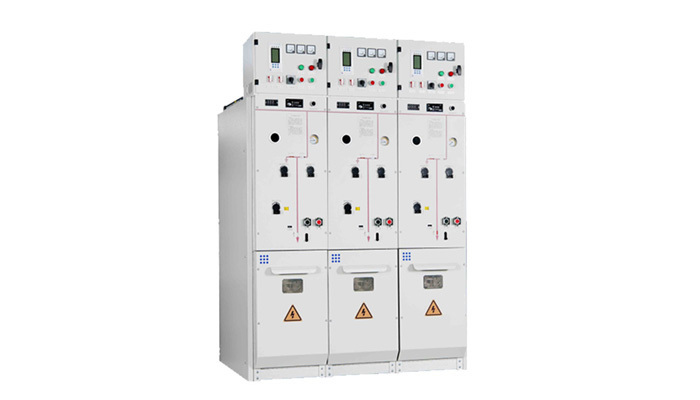
Low voltage cabinets, often referred to as electrical distribution cabinets or control panels, are enclosures designed to house electrical components operating at low voltages. They play a critical role in protecting these components from environmental factors such as dust, moisture, and physical damage. These cabinets also provide a centralized location for wiring, circuit breakers, relays, and other devices, facilitating easier maintenance and operation.
What is Low Voltage?
Low voltage typically refers to electrical systems that operate at voltages below 1000 volts AC or 1500 volts DC. Common applications include lighting control, telecommunications, and various automation systems. Understanding the voltage requirements for your specific applications is essential for selecting the right cabinet.
Types of Low Voltage Cabinets
There are several types of low voltage cabinets available in the market, each suited for different applications. Recognizing these types can help you choose a cabinet that aligns with your operational requirements.
1. Wall-Mounted Cabinets
These cabinets are ideal for smaller installations where space is limited. Wall-mounted cabinets can be easily installed on walls and are typically used for residential or light commercial applications.
2. Free-Standing Cabinets
Free-standing cabinets are larger and more spacious, allowing for the housing of more extensive electrical systems. They are suitable for industrial settings and larger commercial operations where more equipment is required.
3. Modular Cabinets
Modular cabinets allow for customization in terms of size and configuration. They are beneficial for future expansions and can accommodate various components, making them a versatile choice.
Key Features to Consider
When selecting a low voltage cabinet, several key features should be evaluated to ensure the cabinet meets your specific needs.
1. Size and Space
Consider the dimensions of the cabinet, ensuring it provides sufficient space for all necessary components while allowing for proper airflow and heat dissipation. Assess your current and future requirements to choose a cabinet that accommodates growth.
2. Material and Durability
Low voltage cabinets are typically constructed from materials like steel or plastic. Steel cabinets are more durable and provide better protection against physical damage, while plastic cabinets are lightweight and resistant to corrosion. Choose a material that best suits your environmental conditions.
3. Ventilation and Cooling Options
Proper ventilation is crucial to prevent overheating of electrical components. Evaluate whether the cabinet has built-in ventilation options or requires additional cooling systems, such as fans or air conditioning units.
4. Locking Mechanisms
Security is a significant concern when it comes to electrical installations. Look for cabinets with robust locking mechanisms to prevent unauthorized access to sensitive components.
5. Cable Management Systems
A well-organized cable management system is essential for preventing tangles and ensuring easy access to wires. Look for cabinets that include features such as cable trays or ducts to facilitate organized wiring.
Importance of Safety Standards in Low Voltage Cabinets
Compliance with safety standards is vital when selecting a low voltage cabinet. Adhering to standards such as the National Electrical Code (NEC) and International Electrotechnical Commission (IEC) ensures that your cabinet meets essential safety requirements, reducing the risk of electrical hazards.
1. UL Listing and Certification
Look for cabinets that have been tested and certified by recognized organizations such as Underwriters Laboratories (UL). This certification indicates that the cabinet has met rigorous safety standards and is suitable for use in specific applications.
2. IP Ratings
The Ingress Protection (IP) rating indicates the level of protection against dust and water. Choose a cabinet with an appropriate IP rating based on its intended location. For outdoor installations, a higher IP rating is essential to withstand environmental elements.
Installation Considerations for Low Voltage Cabinets
Proper installation is crucial for the effective operation and longevity of low voltage cabinets. Consider the following factors during the installation process:
1. Location and Accessibility
Choose a location that is easily accessible for maintenance and operation. Ensure that the cabinet is installed in a dry, clean area to prevent damage from moisture or contaminants.
2. Mounting Requirements
Follow the manufacturer’s guidelines for mounting the cabinet, ensuring it is securely fastened to prevent movement or accidental dislodgment.
3. Wiring and Connections
Ensure all wiring and connections are completed in accordance with local electrical codes. Use appropriate cable types and sizes for the specific applications to avoid overheating and electrical failure.
Maintenance Tips for Low Voltage Cabinets
Regular maintenance of your low voltage cabinet can prolong its lifespan and ensure optimal operation. Consider the following maintenance practices:
1. Regular Inspections
Conduct routine inspections to check for signs of wear, corrosion, or damage. Look for loose connections, frayed wires, or any other issues that may affect performance.
2. Cleaning
Keep the cabinet clean and free from dust and debris. Use a soft cloth and non-abrasive cleaning solutions to avoid damaging the exterior.
3. Component Testing
Regularly test the functionality of circuit breakers, relays, and other components housed in the cabinet to ensure they are operating correctly.
Common Mistakes to Avoid When Selecting Low Voltage Cabinets
Being aware of common mistakes can help you avoid costly errors during the selection process:
1. Underestimating Space Requirements
Many choose a cabinet without fully considering their current and future space needs. Always err on the side of caution and select a larger cabinet if you anticipate growth.
2. Ignoring Environmental Factors
Failing to account for environmental conditions can lead to premature failure. Choose a cabinet suited for the specific environment, whether it's indoors, outdoors, or in a harsh industrial setting.
3. Overlooking Safety Standards
Neglecting to verify compliance with safety standards can expose your installation to risks. Always prioritize cabinets with recognized certifications.
Frequently Asked Questions
1. What is the main purpose of a low voltage cabinet?
The main purpose of a low voltage cabinet is to house electrical components safely, providing protection from environmental factors and facilitating organized wiring.
2. How do I determine the right size for my low voltage cabinet?
Consider your current and future needs, as well as the space required for ventilation and cooling. Measure the components you plan to install to ensure they fit comfortably.
3. Are low voltage cabinets weatherproof?
Not all low voltage cabinets are weatherproof. Look for models with appropriate IP ratings if you intend to install them outdoors or in humid environments.
4. How often should I perform maintenance on my low voltage cabinet?
Regular inspections should be conducted at least bi-annually, with more frequent checks in environments with higher exposure to dust, moisture, or temperature fluctuations.
5. Can I install a low voltage cabinet myself?
If you are knowledgeable about electrical systems and comply with local codes, you may install it yourself. However, hiring a qualified electrician is recommended for safety and compliance with regulations.
Conclusion
Selecting the right low voltage cabinet for your needs is crucial for ensuring safety, efficiency, and organization in your electrical systems. By understanding the types of cabinets, key features to consider, and installation practices, you can make an informed choice. Prioritize safety standards and regular maintenance to extend the life of your cabinet and the components within it. With careful consideration and research, you'll find the perfect low voltage cabinet tailored to your requirements.
Latest information
Get a Free Consultancy
If you have any suggestions, please leave a message or send an email to us.

Xidong Electric Appliance
Contact Information
Service Hotline
Telephone: +86 13962924051
Whatsapp: +60 11 69869211
E-mail:ghx@xidongdq.com
Address: Tongyu Avenue, Chengdong Town Industrial Park, Haian County, Jiangsu Province
Copyright © 2025 Nantong Xidong Electric Co., Ltd. Powered by www.300.cn