






Transform Your Power Management with Advanced Capacitor Cabinets for Optimal Efficiency
Release time:
2026-08-20

Transform Your Power Management with Advanced Capacitor Cabinets
Table of Contents
- 1. Introduction to Capacitor Cabinets
- 2. Understanding Capacitors and Their Functionality
- 3. Benefits of Advanced Capacitor Cabinets
- 4. Applications of Advanced Capacitor Cabinets
- 5. How to Select the Right Capacitor Cabinet for Your Needs
- 6. Installation and Maintenance of Capacitor Cabinets
- 7. The Future of Capacitor Technology
- 8. Frequently Asked Questions
- 9. Conclusion
1. Introduction to Capacitor Cabinets
In today's rapidly evolving industrial landscape, **efficient power management** has become essential. As energy consumption continues to rise, businesses are seeking innovative solutions to optimize their power systems. Advanced **capacitor cabinets** play a pivotal role in this transition. These specialized units not only enhance energy efficiency but also improve the overall reliability of electrical systems.
Understanding what capacitor cabinets are and how they function is crucial for organizations aiming to implement effective power management strategies. Let's delve deeper into the world of capacitors and their significance.
2. Understanding Capacitors and Their Functionality
Capacitors are electrical components that store and release energy within a circuit. They operate by accumulating charge on two conductive plates separated by an insulating material called a dielectric. The ability to store and discharge energy makes capacitors vital for various applications, including power factor correction, energy storage, and signal filtering.
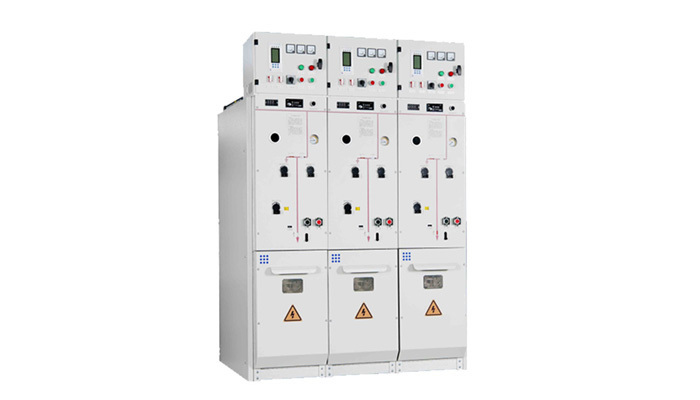
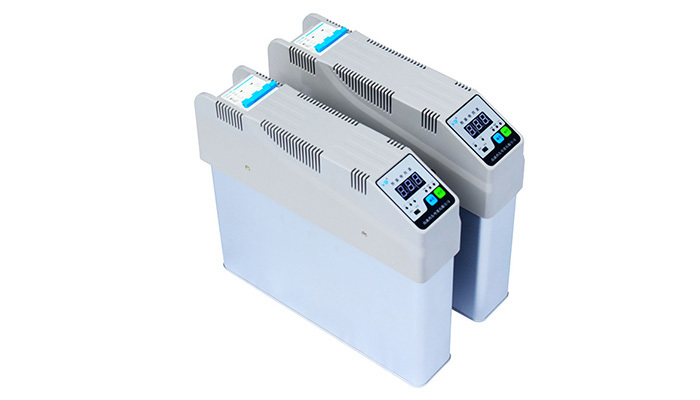
**Advanced capacitor cabinets** integrate multiple capacitors in a single, well-designed assembly. These cabinets are engineered to provide maximum efficiency and reliability. They are often equipped with advanced monitoring systems that track performance and ensure optimal operation, making them invaluable in today's energy-driven environment.
Capacitor Types and Their Applications
There are several types of capacitors, including:
- **Electrolytic Capacitors**: Known for their high capacitance and voltage ratings, these are commonly used in power supply circuits.
- **Ceramic Capacitors**: Ideal for high-frequency applications, they are often found in signal processing equipment.
- **Film Capacitors**: These capacitors have low distortion and are suitable for high-frequency applications.
Understanding the various types of capacitors allows businesses to select the right components for their specific power management needs.
3. Benefits of Advanced Capacitor Cabinets
Implementing advanced capacitor cabinets comes with a plethora of benefits. Here are some of the most significant advantages:
Enhanced Energy Efficiency
Advanced capacitor cabinets help reduce energy losses in electrical systems. By storing and releasing energy as needed, they minimize the demand on the power grid. This results in lower energy bills and a reduced carbon footprint.
Improved Power Factor
Capacitor cabinets enhance the power factor of electrical systems. A higher power factor indicates improved efficiency, allowing businesses to operate more effectively and reduce costs associated with low power factor penalties from utility companies.
Increased Equipment Lifespan
By stabilizing voltage levels and reducing harmonic distortion, capacitor cabinets protect sensitive equipment from electrical fluctuations. This prolongs the life of machinery and minimizes maintenance costs.
Scalability and Flexibility
Advanced capacitor cabinets can be tailored to meet the specific needs of any application. They can be expanded or modified to accommodate changing demands, ensuring that businesses can adapt to future growth without significant overhauls.
4. Applications of Advanced Capacitor Cabinets
The versatility of advanced capacitor cabinets makes them suitable for a wide range of applications across various industries.
Manufacturing Facilities
In manufacturing, capacitor cabinets are crucial for maintaining equipment efficiency and reducing downtime. They help manage reactive power and stabilize voltage levels, ensuring that machinery operates smoothly.
Data Centers
Data centers require a constant and reliable power supply to ensure uninterrupted service. Advanced capacitor cabinets help manage the power factor and reduce energy costs, which is essential for maintaining profitability in this highly competitive industry.
Renewable Energy Systems
Capacitor cabinets play a key role in renewable energy systems, such as wind and solar power. They help manage energy storage and release, ensuring that energy is available when needed.
Commercial Buildings
In commercial buildings, capacitor cabinets enhance the overall energy efficiency of HVAC systems and lighting, resulting in lower operating costs and improved comfort for occupants.
5. How to Select the Right Capacitor Cabinet for Your Needs
Choosing the right **capacitor cabinet** is critical for achieving optimal performance. Here are key factors to consider:
Load Requirements
Evaluate the electrical load your facility demands. Understanding your peak load conditions is essential to selecting the right capacitor size and configuration.
Voltage Ratings
Ensure that the capacitor cabinet you select meets the voltage requirements of your system. Incorrect voltage ratings can lead to equipment failure or safety hazards.
Integration with Existing Systems
Consider how the capacitor cabinet will integrate with your existing power management systems. Compatibility is crucial for seamless operation.
Service and Maintenance Support
Choose a reputable manufacturer that offers reliable service and maintenance support. This ensures that your capacitor cabinet remains operational and efficient over time.
6. Installation and Maintenance of Capacitor Cabinets
Proper installation and maintenance are vital for the longevity and efficiency of capacitor cabinets.
Installation Considerations
Installation should be carried out by qualified professionals to ensure compliance with electrical codes and safety regulations. Key steps include:
- Site Assessment: Determine the best location for the cabinet, considering accessibility for maintenance.
- Electrical Connections: Ensure that all electrical connections are secure and compliant with local regulations.
Maintenance Practices
Regular maintenance is essential to keep capacitor cabinets functioning optimally. Recommended practices include:
- Periodic Inspections: Inspect for signs of wear, corrosion, or loose connections.
- Monitoring Performance: Utilize built-in monitoring systems to track performance metrics.
- Cleaning and Dust Management: Keep the cabinet clean and free from dust accumulation to prevent overheating.
7. The Future of Capacitor Technology
The future of capacitor technology looks promising with ongoing advancements. Innovations in materials and design are leading to more efficient and compact capacitor cabinets. The integration of smart technology and IoT capabilities will allow for enhanced monitoring and predictive maintenance, making these systems even more reliable and efficient.
As industries continue to prioritize sustainability and energy efficiency, advanced capacitor cabinets will play a crucial role in shaping the future of power management.
8. Frequently Asked Questions
What is a capacitor cabinet?
A capacitor cabinet is a unit that houses multiple capacitors, designed to improve power factor and energy efficiency in electrical systems.
How do advanced capacitor cabinets improve energy efficiency?
They store and release electrical energy as needed, reducing the demand on the power grid and minimizing energy losses.
Are capacitor cabinets suitable for all industries?
Yes, capacitor cabinets can be utilized in various industries, including manufacturing, data centers, renewables, and commercial buildings.
What factors should I consider when selecting a capacitor cabinet?
Consider load requirements, voltage ratings, compatibility with existing systems, and the level of service and maintenance support offered.
How often should capacitor cabinets be maintained?
Regular inspections should be conducted at least annually, though more frequent checks may be necessary depending on operational conditions.
9. Conclusion
Investing in advanced capacitor cabinets is a strategic move for any organization looking to enhance its power management capabilities. These innovative solutions provide significant benefits, including improved energy efficiency, increased equipment longevity, and enhanced power quality. As industries continue to evolve, the demand for efficient power solutions will only grow, making capacitor cabinets an essential component of modern electrical systems. By understanding their functionality, applications, and maintenance needs, businesses can leverage these technologies to achieve optimal performance and sustainability.
Latest information
Get a Free Consultancy
If you have any suggestions, please leave a message or send an email to us.

Xidong Electric Appliance
Contact Information
Service Hotline
Telephone: +86 13962924051
Whatsapp: +60 11 69869211
E-mail:ghx@xidongdq.com
Address: Tongyu Avenue, Chengdong Town Industrial Park, Haian County, Jiangsu Province
Copyright © 2025 Nantong Xidong Electric Co., Ltd. Powered by www.300.cn
Business License