






Essential Strategies for Maintaining Your Distribution Box to Ensure Longevity
Release time:
2026-07-31

How to Properly Maintain Your Distribution Box for Longevity
Table of Contents
- Introduction to Distribution Boxes
- The Importance of Maintaining Your Distribution Box
- Common Issues Faced by Distribution Boxes
- Regular Inspection: A Key to Longevity
- Cleaning Your Distribution Box: Best Practices
- Upgrading Components for Enhanced Performance
- Safety Precautions When Maintaining Your Distribution Box
- When to Seek Professional Assistance
- Conclusion
- Frequently Asked Questions
Introduction to Distribution Boxes
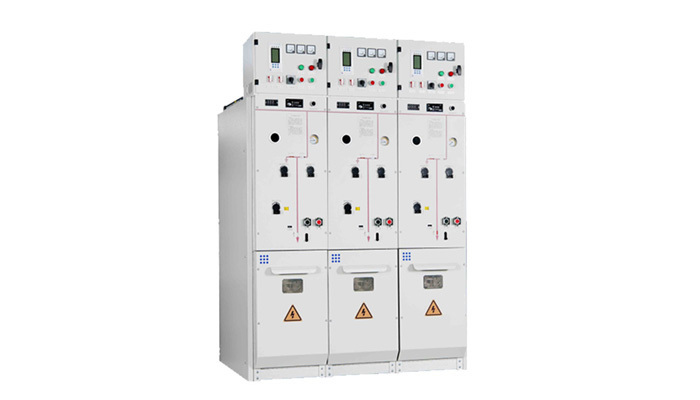
A **distribution box**, often referred to as an electrical panel, plays a crucial role in managing electrical power distribution within a building. It houses circuit breakers and fuses that protect electrical circuits from overloads and short circuits. Understanding how to maintain your distribution box is vital for ensuring not only its longevity but also the safety of your electrical system.
The Importance of Maintaining Your Distribution Box
Regular maintenance of your distribution box is essential for several reasons:
1. **Safety**: A well-maintained distribution box reduces the risk of electrical fires and hazards.
2. **Efficiency**: Proper maintenance ensures that electrical components operate smoothly, minimizing energy losses.
3. **Longevity**: Routine checks and maintenance can significantly extend the lifespan of your distribution box and its components.
By prioritizing maintenance, you can avoid costly repairs and ensure a reliable electrical supply.
Common Issues Faced by Distribution Boxes
Understanding common issues that can arise with a distribution box can help you take preventive measures. Some prevalent problems include:
- **Overheating**: Caused by overloaded circuits or inadequate ventilation.
- **Corrosion**: Moisture can lead to rust and degradation of components.
- **Loose Connections**: Over time, connections may loosen, leading to arcing and potential fire hazards.
- **Tripped Breakers**: Frequent tripping can indicate an underlying issue, such as circuit overload.
Recognizing these issues early can prevent more significant problems down the line.
Regular Inspection: A Key to Longevity
Conducting regular inspections is one of the most effective ways to maintain your distribution box. Here’s how to perform a thorough inspection:
1. Visual Check
Begin with a visual examination. Ensure the panel is free of dust, debris, and moisture. Look for rust or corrosion on metal parts, as these can affect performance.
2. Check Connections
Tighten any loose wiring connections. Ensure that all circuit breakers are securely in place and functioning correctly.
3. Inspect for Overheating
Use a thermal imaging camera to check for hot spots. If you notice any unusually warm areas, this could signal a problem that requires immediate attention.
4. Review Circuit Load
Ensure that the load on each circuit is balanced. An unbalanced load can cause breakers to trip and reduce the overall efficiency of your system.
Cleaning Your Distribution Box: Best Practices
Cleaning your distribution box is crucial for its performance. Follow these best practices to ensure effective cleaning without damaging components:
1. Power Down
Always turn off power to the distribution box before cleaning. This ensures safety and prevents electrical shocks.
2. Use a Soft Brush
Utilize a soft brush to remove dust and debris from the panel. Avoid using water or harsh chemicals that can damage components.
3. Check for Moisture
Inspect for any signs of moisture. If you find dampness, address the source of the moisture to prevent further issues.
4. Schedule Regular Cleanings
Make cleaning a part of your regular maintenance routine. Depending on your environment, bi-annual cleanings can be effective.
Upgrading Components for Enhanced Performance
If your distribution box has outdated components, consider upgrading them. Here are some components to evaluate:
1. Circuit Breakers
Modern circuit breakers can provide better protection and efficiency. Upgrading to newer models can enhance safety and performance.
2. Fuses
Ensure that fuses are of the correct rating and consider replacing older models with more efficient options.
3. Surge Protection Devices
Installing surge protection devices can protect your electrical system from voltage spikes, adding an extra layer of safety.
Safety Precautions When Maintaining Your Distribution Box
When engaging in maintenance tasks, safety should always be your top priority. Here are essential precautions:
- **Wear Safety Gear**: Use insulated gloves and safety goggles to protect against accidental shocks and debris.
- **Use Proper Tools**: Ensure you have the right tools for the job to avoid damaging components or causing accidents.
- **Consult the Manual**: Refer to your distribution box manual for specific maintenance instructions and recommendations.
When to Seek Professional Assistance
While many maintenance tasks can be performed by individuals with basic electrical knowledge, some situations require professional intervention:
1. Complex Issues
If you identify complex problems such as persistent tripped breakers or signs of overheating, it’s best to consult a licensed electrician.
2. Major Upgrades
For significant upgrades or replacements, professional assistance ensures compliance with electrical codes and standards.
3. Safety Concerns
If you feel unsure about performing any maintenance tasks, always prioritize safety and seek professional help.
Conclusion
Maintaining your distribution box is crucial for ensuring its longevity and the overall safety of your electrical system. By conducting regular inspections, cleaning components, and upgrading as needed, you can significantly extend the lifespan of your distribution box. Always prioritize safety and don’t hesitate to seek professional assistance for complex issues. With proactive maintenance, you can ensure that your electrical distribution system remains efficient, safe, and reliable for years to come.
Frequently Asked Questions
1. How often should I inspect my distribution box?
We recommend inspecting your distribution box at least twice a year, or more frequently if you notice any issues.
2. What are the signs that my distribution box needs maintenance?
Common signs include tripped breakers, unusual noises, overheating, and visible signs of corrosion or damage.
3. Can I clean my distribution box myself?
Yes, but ensure you turn off the power and follow safety guidelines. If you’re unsure, consult a professional.
4. How do I know if my circuit breakers need replacing?
If breakers frequently trip or show signs of wear, they may need replacement. Consult with a professional for an assessment.
5. What should I do if I encounter a serious issue with my distribution box?
If you notice any serious issues, such as smoke or burning smells, turn off the power immediately and call a licensed electrician.
By following these guidelines and being proactive in your maintenance efforts, you can ensure that your distribution box continues to function efficiently and safely over time.
Latest information
Get a Free Consultancy
If you have any suggestions, please leave a message or send an email to us.

Xidong Electric Appliance
Contact Information
Service Hotline
Telephone: +86 13962924051
Whatsapp: +60 11 69869211
E-mail:ghx@xidongdq.com
Address: Tongyu Avenue, Chengdong Town Industrial Park, Haian County, Jiangsu Province
Copyright © 2025 Nantong Xidong Electric Co., Ltd. Powered by www.300.cn
Business License