






A Comprehensive Guide to Capacitor Cabinet Maintenance: Ensuring Optimal Performance and Longevity
Release time:
2026-07-01

A Comprehensive Guide to Capacitor Cabinet Maintenance
Table of Contents
1. Introduction to Capacitor Cabinets
2. Importance of Regular Maintenance
3. Key Components of a Capacitor Cabinet
4. Step-by-Step Maintenance Procedures
4.1 Visual Inspection Techniques
4.2 Cleaning and Dust Removal
4.3 Electrical Connections Check
4.4 Testing Capacitor Performance
5. Common Issues and Troubleshooting Tips
6. Safety Protocols for Maintenance
7. Long-Term Care and Replacement Strategies
8. Frequently Asked Questions (FAQs)
9. Conclusion
1. Introduction to Capacitor Cabinets
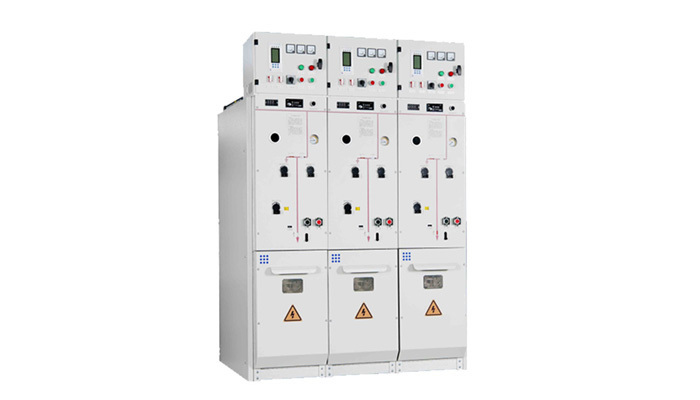
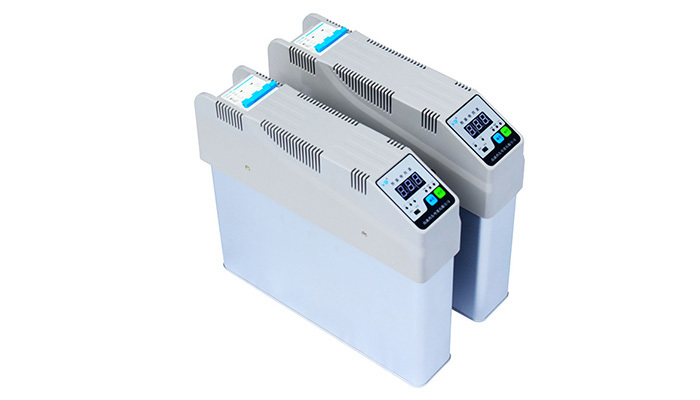
Capacitor cabinets play a crucial role in electrical systems by regulating voltage and improving power factor. These enclosures house multiple capacitors and associated equipment, providing a centralized solution for power management in various applications, including industrial plants, substations, and commercial buildings. Understanding the maintenance of these cabinets can significantly impact the reliability and efficiency of electrical operations.
2. Importance of Regular Maintenance
Regular maintenance of capacitor cabinets is essential for several reasons:
- **Enhanced Performance**: Routine checks and servicing ensure that capacitors operate at optimal levels, improving system efficiency.
- **Extended Lifespan**: Well-maintained cabinets can last significantly longer, reducing the need for replacements and saving costs.
- **Safety Assurance**: Regular maintenance helps identify potential hazards, minimizing the risk of electrical failures or accidents.
Neglecting maintenance can lead to decreased performance, increased energy costs, and potential safety hazards.
3. Key Components of a Capacitor Cabinet
Understanding the components of a capacitor cabinet is vital for effective maintenance:
- **Capacitors**: The primary elements responsible for storing electrical energy.
- **Fuses and Circuit Breakers**: Provide protection by interrupting the circuit in case of overload or short circuits.
- **Contactor and Relay Systems**: Control the electrical flow to the capacitors.
- **Cooling Systems**: Maintain optimal temperatures within the cabinet to prevent overheating.
- **Busbars and Connectors**: Facilitate electrical connections between components.
Each of these components requires specific attention during maintenance to ensure seamless operation.
4. Step-by-Step Maintenance Procedures
Performing systematic maintenance can prolong the lifespan and efficiency of capacitor cabinets. Here is a detailed breakdown of essential maintenance tasks.
4.1 Visual Inspection Techniques
Conducting a thorough visual inspection should be the first step in any maintenance routine. Look for:
- **Signs of Wear and Tear**: Inspect capacitors for bulging, leaking, or discoloration.
- **Corrosion**: Check connectors and terminals for rust or corrosion which can impede electrical flow.
- **Physical Damage**: Look for any physical damage to the cabinet itself, ensuring it is secure and intact.
Regular visual checks can help catch issues before they escalate.
4.2 Cleaning and Dust Removal
Dust and debris can interfere with the operation of capacitors and other components. Follow these steps to ensure a clean cabinet:
- **Power Down**: Always disconnect power before cleaning to avoid accidents.
- **Use Compressed Air**: Blow out dust from compartments, focusing on cooling fans and vents.
- **Wipe Surfaces**: Use a damp cloth to wipe down surfaces, being careful around electrical components.
- **Check Filters**: If your cabinet has air filters, inspect and replace them regularly to ensure proper airflow.
Keeping the cabinet clean minimizes the risk of overheating and promotes better air circulation.
4.3 Electrical Connections Check
Loose connections can lead to inefficiencies and potential hazards. Here’s how to check connections:
- **Tighten Connections**: Ensure that all electrical connections are secure. Use a torque wrench to apply the manufacturer's specified torque.
- **Inspect Wiring**: Look for frayed or damaged wires and replace them immediately.
- **Check for Arcing**: Listen for unusual sounds or look for signs of arcing at connections, which indicates a serious issue.
Regularly ensuring that electrical connections are tight will lead to better operational efficiency.
4.4 Testing Capacitor Performance
To ensure capacitors are functioning correctly, performance testing is crucial:
- **Measure Capacitance**: Use a capacitance meter to check that each capacitor is within manufacturer specifications.
- **Test for Leakage**: A leakage test helps identify failing capacitors that may need replacement.
- **Perform an Insulation Resistance Test**: This test helps ensure that the insulation is intact and free from breakdown.
Regular performance testing can help in proactive maintenance, ensuring that capacitors remain effective.
5. Common Issues and Troubleshooting Tips
Despite regular maintenance, problems can still arise. Here are some common issues and their solutions:
- **Overheating**: This can result from inadequate ventilation or failing cooling systems. Ensure fans are operational and filters are clean.
- **Frequent Blown Fuses**: This indicates an overload or short circuit. Check the capacitor for signs of failure or consult an electrician for further investigation.
- **Capacitors Not Charging**: If the capacitors are not reaching their intended voltage, inspect electrical connections and check for capacitor faults.
Identifying and addressing these issues promptly can prevent more significant problems down the line.
6. Safety Protocols for Maintenance
Safety should always be a priority when maintaining capacitor cabinets. Here are key safety practices:
- **Disconnect Power Before Maintenance**: Always ensure the cabinet is de-energized before performing any maintenance tasks.
- **Use Personal Protective Equipment (PPE)**: Wear gloves, safety glasses, and insulated rubber shoes to minimize risk.
- **Follow Lockout/Tagout Procedures**: Implement proper lockout/tagout protocols to prevent accidental energization.
Adhering to safety protocols helps protect personnel and equipment during maintenance.
7. Long-Term Care and Replacement Strategies
Planning for long-term maintenance includes both monitoring and eventual replacement strategies:
- **Establish a Maintenance Schedule**: Create a routine maintenance calendar based on usage patterns and manufacturer recommendations.
- **Monitor Performance Trends**: Keep a log of performance metrics to identify degradation over time.
- **Know When to Replace**: Capacitors have a finite lifespan. Understanding when to replace components will ensure the continued reliability of the cabinet.
Being proactive about long-term care will lead to better performance and lower operational costs.
8. Frequently Asked Questions (FAQs)
1. How often should I perform maintenance on a capacitor cabinet?
We recommend performing a visual inspection at least every six months, with more comprehensive maintenance annually.
2. What are the signs that a capacitor needs to be replaced?
Look for physical deformities such as bulging or leaking, reduced capacitance during testing, or unusual noises.
3. Can I clean the capacitor cabinet with water?
No, avoid using water directly on electrical components. Use compressed air and a damp cloth for surface cleaning only.
4. Is it necessary to have a professional conduct maintenance?
While basic maintenance can be performed by trained personnel, we recommend having a qualified electrician conduct more complex checks.
5. What is the lifespan of a typical capacitor?
The lifespan of a capacitor can vary widely, but many last between 10 to 20 years with proper maintenance.
9. Conclusion
In conclusion, proper capacitor cabinet maintenance is essential for ensuring optimal performance, safety, and longevity of electrical systems. By implementing regular inspections, cleaning practices, and testing, we can proactively address potential issues, prolong the life of our components, and enhance overall efficiency. Engaging in a structured maintenance routine, understanding common problems, and adhering to safety protocols will not only protect our investments but also ensure that our electrical systems function seamlessly for years to come.
Latest information
Get a Free Consultancy
If you have any suggestions, please leave a message or send an email to us.

Xidong Electric Appliance
Contact Information
Service Hotline
Telephone: +86 13962924051
Whatsapp: +60 11 69869211
E-mail:ghx@xidongdq.com
Address: Tongyu Avenue, Chengdong Town Industrial Park, Haian County, Jiangsu Province
Copyright © 2025 Nantong Xidong Electric Co., Ltd. Powered by www.300.cn
Business License