






Low Voltage Cabinet GCK: A Comprehensive Guide for Electrical Engineers
Release time:
2026-06-21

Low Voltage Cabinet GCK: A Comprehensive Guide for Electrical Engineers
Table of Contents
- 1. Introduction to Low Voltage Cabinets GCK
- 2. What is a Low Voltage Cabinet GCK?
- 3. Key Components of the GCK
- 4. Design Specifications for GCK Cabinets
- 5. Installation Process for Low Voltage Cabinets
- 6. Maintenance Tips for GCK Cabinets
- 7. Safety Considerations in Using GCK
- 8. Applications of Low Voltage Cabinets GCK
- 9. Conclusion
- 10. Frequently Asked Questions
1. Introduction to Low Voltage Cabinets GCK
In the world of electrical engineering, the efficiency and reliability of power distribution systems are paramount. Low Voltage Cabinets, specifically GCK (General Purpose Cabinet), play a crucial role in achieving optimal performance in various applications. This guide aims to provide a comprehensive understanding of GCK cabinets, catering specifically to electrical engineers who seek to enhance their knowledge and practical skills in this area.
2. What is a Low Voltage Cabinet GCK?
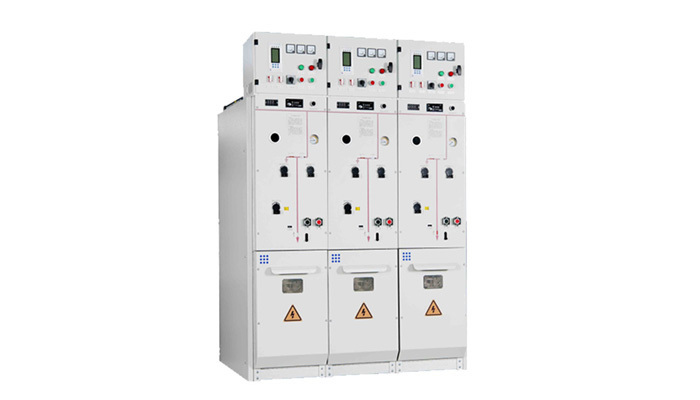
A Low Voltage Cabinet GCK is a type of electrical distribution cabinet designed to house various electrical components, such as circuit breakers, relays, and monitoring equipment. These cabinets serve as centralized distribution points for low voltage electrical systems, allowing for effective management and protection of electrical circuits. The GCK cabinet is particularly notable for its modular design, which allows for easy customization and scalability, making it suitable for a wide range of applications.
3. Key Components of the GCK
Understanding the key components of a GCK cabinet is essential for electrical engineers. The primary elements include:
3.1 Circuit Breakers
Circuit breakers protect electrical circuits from overloads and short circuits. In a GCK, they are strategically placed to ensure maximum safety and efficiency.
3.2 Busbars
Busbars are conductive bars that facilitate the distribution of electricity between various components within the cabinet. They are typically made of copper or aluminum and are designed to handle high current loads.
3.3 Control Devices
Control devices, such as relays and contactors, manage the electrical flow, providing automated control over the operations of the systems housed within the cabinet.
3.4 Monitoring Equipment
Monitoring equipment includes digital displays, sensors, and meters that track the performance and health of the electrical system. This data is crucial for proactive maintenance and troubleshooting.
4. Design Specifications for GCK Cabinets
When designing a GCK cabinet, several specifications must be considered to ensure optimal performance:
4.1 Dimensions
The dimensions of the cabinet should be determined based on the space available and the components that will be housed within. Standard sizes typically range from 600mm to 2000mm in width.
4.2 Material Selection
The materials used for cabinet construction should provide durability and resistance to environmental factors. Common materials include steel, stainless steel, and high-quality plastics.
4.3 Protection Ratings
Protection ratings such as IP (Ingress Protection) ratings must be specified. Higher IP ratings indicate better protection against dust and water ingress.
4.4 Ventilation
Adequate ventilation is necessary to dissipate heat generated by components. The design should include ventilation openings or fans to maintain optimal operating temperatures.
5. Installation Process for Low Voltage Cabinets
Installing a Low Voltage Cabinet GCK requires careful planning and execution. The following steps outline a typical installation process:
5.1 Site Preparation
Ensure that the installation site is clean, dry, and free from any obstructions. The area should be easily accessible for maintenance and inspections.
5.2 Mounting the Cabinet
Securely mount the cabinet to a stable surface using appropriate anchors. It is vital to ensure that the cabinet is level and positioned according to local regulations and standards.
5.3 Wiring Connections
Connect all wiring according to the electrical schematics. Ensure that all connections are secure and properly insulated to prevent any electrical faults.
5.4 Testing and Commissioning
Once the installation is complete, conduct thorough testing to ensure that all components are functioning as intended. This includes checking circuit breakers, control devices, and monitoring systems.
6. Maintenance Tips for GCK Cabinets
Regular maintenance is essential to prolong the life of Low Voltage Cabinets GCK and ensure their reliable operation.
6.1 Routine Inspections
Conduct routine inspections every six months to check for any signs of wear, corrosion, or loose connections. This proactive approach can prevent potential failures.
6.2 Cleaning
Keep the interior and exterior of the cabinet clean and free from dust and debris. Use a damp cloth to wipe surfaces; avoid using harsh chemicals that could damage materials.
6.3 Component Testing
Regularly test circuit breakers and control devices to ensure they are functioning correctly. Replace any defective components immediately to maintain system integrity.
6.4 Documentation
Maintain accurate documentation of all maintenance activities, inspections, and repairs. This record is crucial for tracking the cabinet’s performance over time.
7. Safety Considerations in Using GCK
Safety is a primary concern when working with electrical systems. Here are key safety considerations for Low Voltage Cabinets GCK:
7.1 Compliance with Standards
Ensure that all installations comply with local and international electrical safety standards, such as the IEC (International Electrotechnical Commission) standards.
7.2 Personal Protective Equipment (PPE)
When working on or around GCK cabinets, always wear appropriate PPE, including gloves, helmets, and safety glasses, to protect against electrical hazards.
7.3 Emergency Procedures
Establish and communicate emergency procedures for dealing with electrical faults or fires. Ensure that all personnel are trained in these procedures.
7.4 Proper Training
Ensure that only qualified personnel handle the installation, maintenance, and operation of Low Voltage Cabinets GCK. Proper training minimizes the risk of accidents and injuries.
8. Applications of Low Voltage Cabinets GCK
Low Voltage Cabinets GCK are versatile and applicable in various industries, including:
8.1 Industrial Automation
In industrial settings, GCK cabinets are used to control machinery and automate processes, enhancing operational efficiency.
8.2 Commercial Buildings
These cabinets are essential in commercial buildings for managing lighting, HVAC systems, and other electrical services.
8.4 Renewable Energy Systems
In renewable energy applications, such as solar and wind, GCK cabinets help manage the electrical output and ensure safe distribution.
8.5 Data Centers
GCK cabinets are integral to data centers, providing reliable power distribution for servers and networking equipment.
9. Conclusion
Low Voltage Cabinets GCK are vital components in modern electrical systems, offering versatility, efficiency, and enhanced safety features. Understanding their design, installation, and maintenance is essential for electrical engineers aiming to optimize power distribution in various applications. By adhering to best practices in installation and maintenance, engineers can ensure that GCK cabinets operate at peak performance, ultimately contributing to a more reliable electrical infrastructure.
10. Frequently Asked Questions
10.1 What is the typical lifespan of a Low Voltage Cabinet GCK?
The lifespan of a GCK cabinet can vary based on usage and environment, but with proper maintenance, they can last over 20 years.
10.2 Can I retrofit an existing electrical system with a GCK cabinet?
Yes, retrofitting is possible, but it requires careful planning to ensure compatibility with existing equipment and systems.
10.3 Are Low Voltage Cabinets GCK suitable for outdoor use?
Yes, but they must be rated for outdoor use with appropriate weatherproofing and protection against environmental factors.
10.4 How often should I perform maintenance on my GCK cabinet?
Routine inspections should be conducted every six months, with more extensive maintenance performed annually.
10.5 What should I do if I detect a fault in my GCK cabinet?
Immediately shut down the power supply and consult a qualified electrician to assess and resolve the issue safely.
By providing detailed information and insights into Low Voltage Cabinets GCK, this guide ensures that electrical engineers have the knowledge necessary to utilize these critical components effectively.
Latest information
Get a Free Consultancy
If you have any suggestions, please leave a message or send an email to us.

Xidong Electric Appliance
Contact Information
Service Hotline
Telephone: +86 13962924051
Whatsapp: +60 11 69869211
E-mail:ghx@xidongdq.com
Address: Tongyu Avenue, Chengdong Town Industrial Park, Haian County, Jiangsu Province
Copyright © 2025 Nantong Xidong Electric Co., Ltd. Powered by www.300.cn
Business License