






Case Studies: Successful Integrations of Low Voltage Cabinets in Modern Construction
Release time:
2026-06-01

Case Studies: Successful Integrations of Low Voltage Cabinets in Modern Construction
Table of Contents
1. Introduction to Low Voltage Cabinets
2. Importance of Low Voltage Cabinets in Construction
3. Case Study 1: The Smart Office Building
3.1 Project Overview
3.2 Integration Challenges and Solutions
4. Case Study 2: Retail Space Revamp
4.1 Project Overview
4.2 Benefits of Low Voltage Integration
5. Case Study 3: Educational Institution Upgrade
5.1 Project Overview
5.2 Effective Strategies for Implementation
6. Emerging Trends in Low Voltage Cabinet Technology
7. Common Challenges and How to Overcome Them
8. FAQs about Low Voltage Cabinets
9. Conclusion
1. Introduction to Low Voltage Cabinets
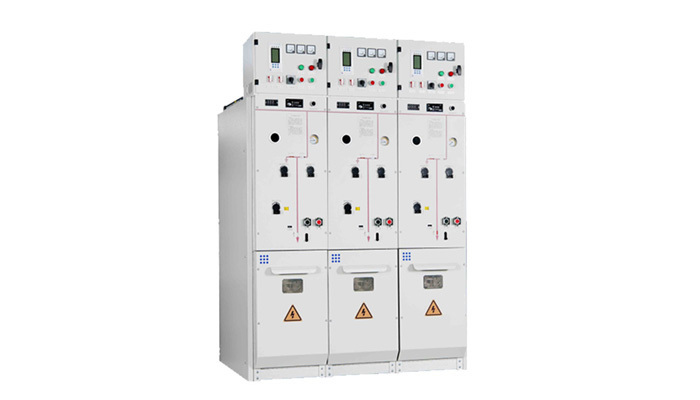
In modern construction, **low voltage cabinets** serve as essential components designed to house electrical equipment, ensuring a safe and organized distribution of power. These cabinets are vital for managing various systems, including lighting, telecommunications, and security systems. As the demand for innovative and energy-efficient solutions increases, the role of low voltage cabinets has become increasingly significant.
2. Importance of Low Voltage Cabinets in Construction
Low voltage cabinets play a critical role in ensuring the efficiency and safety of electrical installations. They help to streamline the electrical distribution process and can significantly reduce energy consumption. Furthermore, these cabinets support the integration of smart technologies, enabling buildings to adapt to modern needs while maintaining a high standard of performance.
3. Case Study 1: The Smart Office Building
3.1 Project Overview
Located in a rapidly developing urban area, the Smart Office Building project aimed to create a state-of-the-art facility that maximized the use of technology while ensuring sustainability. The developers recognized the importance of integrating low voltage cabinets to support the building's advanced electrical systems.
3.2 Integration Challenges and Solutions
The primary challenge faced during this project was ensuring that the low voltage cabinet could accommodate the various systems required for a smart office. By collaborating with specialists in low voltage design, the team was able to customize the cabinet layout to house networking equipment, security systems, and lighting controls. This flexible approach allowed them to adapt to changing technological demands without compromising on performance or safety.
4. Case Study 2: Retail Space Revamp
4.1 Project Overview
A major retail chain sought to revamp its flagship store to enhance customer experience while maintaining energy efficiency. The integration of low voltage cabinets was seen as a crucial step in achieving these goals.
4.2 Benefits of Low Voltage Integration
The renovated store featured a centralized low voltage cabinet that integrated lighting control systems, energy monitoring tools, and security measures. This consolidation of systems not only improved operational efficiency but also reduced overall energy costs. Customers benefited from a well-lit, secure shopping environment, while the retailer enjoyed lower operational expenses.
5. Case Study 3: Educational Institution Upgrade
5.1 Project Overview
An educational institution embarked on an ambitious upgrade to its infrastructure, aimed at enhancing the learning environment through technology. The decision to implement low voltage cabinets was pivotal in achieving this vision.
5.2 Effective Strategies for Implementation
The team identified specific areas where low voltage cabinets would benefit classroom technology, including interactive displays and advanced communication systems. By strategically placing these cabinets throughout the campus, they were able to minimize cable clutter and enhance safety. The result was a modern, adaptable educational space that facilitated learning and collaboration.
6. Emerging Trends in Low Voltage Cabinet Technology
The integration of **IoT** (Internet of Things) technology into low voltage cabinets is becoming increasingly prevalent. These advancements allow for remote monitoring and management of electrical systems, enhancing efficiency and offering real-time data insights. Additionally, manufacturers are exploring modular designs to provide greater flexibility in future installations.
7. Common Challenges and How to Overcome Them
While integrating low voltage cabinets can provide numerous benefits, challenges often arise during the process. Common issues include inadequate planning, insufficient training for staff, and resistance to change from stakeholders. To overcome these challenges, we recommend thorough project planning, comprehensive training programs, and open communication with all parties involved.
8. FAQs about Low Voltage Cabinets
What are low voltage cabinets used for?
Low voltage cabinets house electrical equipment, ensuring safe distribution of power for lighting, telecommunications, and security systems.
How do low voltage cabinets improve energy efficiency?
By centralizing control and management of electrical systems, low voltage cabinets streamline operations and reduce energy consumption.
What are the advantages of integrating low voltage cabinets in new constructions?
They enhance safety, improve operational efficiency, and support the implementation of smart technologies.
Can low voltage cabinets be customized for specific projects?
Yes, low voltage cabinets can be tailored to meet the unique requirements of different projects, allowing for greater flexibility.
What should I consider when choosing a low voltage cabinet?
Consider factors such as size, modularity, compatibility with existing systems, and any future technological needs.
9. Conclusion
The successful integration of low voltage cabinets is a testament to the evolving landscape of modern construction. Through detailed case studies, we observe how these essential components enhance the functionality and efficiency of various architectural projects. As technology continues to advance, the importance of low voltage cabinets will only grow, making them a cornerstone of innovative building design. By understanding their significance and the best practices for integration, we can pave the way for a more sustainable and efficient future in construction.
Latest information
Get a Free Consultancy
If you have any suggestions, please leave a message or send an email to us.

Xidong Electric Appliance
Contact Information
Service Hotline
Telephone: +86 13962924051
Whatsapp: +60 11 69869211
E-mail:ghx@xidongdq.com
Address: Tongyu Avenue, Chengdong Town Industrial Park, Haian County, Jiangsu Province
Copyright © 2025 Nantong Xidong Electric Co., Ltd. Powered by www.300.cn
Business License