







Essential Safety Protocols for Installing Low Voltage Cabinet GCS
Release time:
2026-04-12

Introduction to Low Voltage Cabinet GCS Installations
In today's fast-paced construction industry, **ensuring safety during the installation of Low Voltage Cabinet GCS** (General Control System) is paramount. These cabinets play a crucial role in managing electrical operations, and improper installation can lead to severe consequences. This article will delve into the essential safety protocols and best practices that every technician and contractor should follow to ensure a secure and effective installation.
Understanding Low Voltage Cabinet GCS
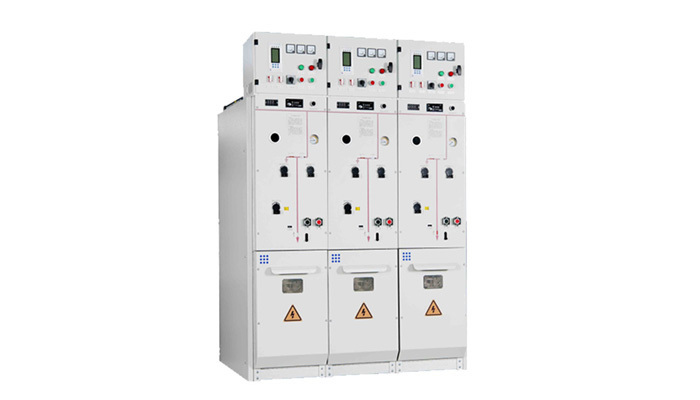
A Low Voltage Cabinet GCS is designed to house electrical components and control systems that operate below a certain voltage threshold—typically under 1000V AC or 1500V DC. These cabinets safeguard critical electrical components, ensuring the reliability and efficiency of electrical systems in commercial and industrial settings.
The Importance of Safety in Low Voltage Installations
Safety protocols during installation are not just regulatory requirements; they are fundamental to protecting personnel and equipment. Inadequate safety measures can lead to **electrical hazards**, equipment damage, and even fatalities. Ensuring adherence to safety standards significantly mitigates these risks, promoting a safer working environment.
Pre-Installation Safety Measures
Before commencing any installation, technicians must embrace a proactive approach to safety. Several pre-installation safety measures should be taken, including:
Conducting a Thorough Risk Assessment
A careful risk assessment identifies potential hazards associated with the installation. This process involves evaluating the work environment, understanding the specific components being installed, and recognizing any external factors that may pose risks.
Providing Proper Training and Equipment
All personnel involved in the installation should be adequately trained and equipped. This includes knowledge of electrical systems, safety practices, and hands-on training with tools and equipment. **Personal Protective Equipment (PPE)** such as gloves, safety glasses, and hard hats should always be utilized.
Utilizing the Right Tools and Equipment
Using the appropriate tools for installation is critical. Ensure all tools are in good working condition and suitable for the specific task. Tools should be insulated and rated for low voltage applications to prevent accidental shocks.
Installation Safety Protocols
Once pre-installation measures are taken, technicians must follow strict safety protocols during the installation process itself.
Ensuring Proper Lockout/Tagout Procedures
Before beginning work, implement **lockout/tagout procedures** to ensure all electrical sources are completely de-energized. This critical step prevents accidental energization of the electrical system during installation.
Maintaining a Clean Work Environment
A cluttered workspace is a significant safety hazard. Keeping the installation area organized helps technicians work more efficiently and reduces the risk of accidents. Clear any debris and ensure that tools are stored properly when not in use.
Proper Wiring Techniques
Adhere to standard wiring techniques to avoid short circuits and ensure proper functionality. Use color-coded wires according to industry standards and securely fasten all connections. Double-check the wiring layout against the installation schematic to confirm accuracy.
Post-Installation Safety Checks
Upon completing the installation, it is crucial to conduct thorough post-installation safety checks.
Conducting System Testing and Validation
After installation, perform rigorous testing and validation of the entire system. This includes checking for proper operation, verifying voltage outputs, and ensuring that all safety features function as intended.
Documenting the Installation Process
Maintain detailed records of the installation process, including any deviations from standard procedures, tests performed, and results. Documentation is essential for future reference and can serve as a vital part of safety audits.
User Training and Safety Guidelines
Once the installation is complete, providing user training is necessary. Technicians should educate end users on the operational aspects of the Low Voltage Cabinet GCS and the safety protocols they must follow. This ensures that everyone understands the potential hazards and knows how to respond appropriately in case of an emergency.
Common Safety Hazards in Low Voltage Cabinet Installations
Despite following protocols, certain common hazards may still arise during installations.
Electrical Shock and Arc Flash Risks
Working with electrical systems inherently involves the risk of electrical shock or arc flash. Proper PPE, awareness, and adherence to safety practices can help reduce these risks significantly.
Inadequate Ventilation
Low Voltage Cabinets can generate heat, and inadequate ventilation can lead to overheating. Ensure that the installation area is well-ventilated, and consider installing fans or cooling systems if necessary.
Environmental Factors
Be aware of environmental factors that could influence safety, such as moisture, dust, and temperature extremes. Each of these can adversely affect electrical systems, leading to failures or safety hazards.
Frequently Asked Questions (FAQs)
What is the significance of safety protocols in Low Voltage Cabinet installations?
Safety protocols help prevent accidents, ensuring the safety of personnel while protecting electrical equipment from damage.
What PPE is recommended for Low Voltage Cabinet installations?
Recommended PPE includes insulated gloves, safety glasses, hard hats, and non-slip footwear to safeguard against potential hazards.
How can I ensure the electrical system is de-energized before starting work?
Implement lockout/tagout procedures to ensure all energy sources are securely disabled before beginning installation work.
What are the common mistakes made during Low Voltage Cabinet installations?
Common mistakes include improper wiring, inadequate safety checks, and failure to document the installation process thoroughly.
How often should safety training be conducted for technicians?
Regular training sessions, at least annually or whenever new equipment or procedures are introduced, are essential to maintain safety standards.
Conclusion
In conclusion, the installation of Low Voltage Cabinet GCS requires stringent adherence to safety protocols to ensure the safety of all personnel involved and the reliability of the electrical systems in which they operate. By implementing thorough pre-installation measures, following strict installation protocols, and conducting rigorous post-installation checks, we can significantly minimize risks. Education and awareness among technicians and users alike play a critical role in fostering a culture of safety that extends beyond the installation phase. Always prioritize safety, for it is the cornerstone of successful electrical installations.
Latest information
Get a Free Consultancy
If you have any suggestions, please leave a message or send an email to us.

Xidong Electric Appliance
Contact Information
Service Hotline
Telephone: +86 13962924051
Whatsapp: +60 11 69869211
E-mail:ghx@xidongdq.com
Address: Tongyu Avenue, Chengdong Town Industrial Park, Haian County, Jiangsu Province
Copyright © 2025 Nantong Xidong Electric Co., Ltd. Powered by www.300.cn
Business License