






Why Choose Low Voltage Cabinets for Your Electrical Projects? Unveiling Their Advantages and Applications
Release time:
2026-04-02

Why Choose Low Voltage Cabinets for Your Electrical Projects?
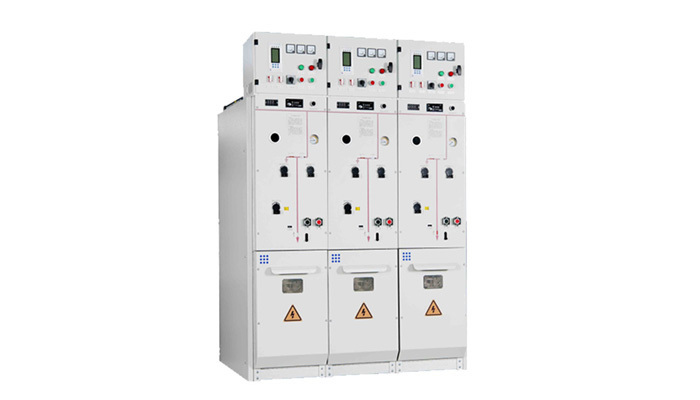
Low voltage cabinets, often referred to as low voltage switchgear, are integral components in electrical installations. Their importance cannot be overstated, especially in an era where energy efficiency and safety are paramount. This article will delve into the myriad benefits of incorporating low voltage cabinets into your electrical projects, discussing their applications, advantages, and best practices.
Understanding Low Voltage Cabinets
To appreciate the value of low voltage cabinets, it’s essential to grasp what they are and how they function. Low voltage cabinets are designed to manage and distribute electrical power effectively and safely. Typically, they operate at voltages below 1,000 volts AC or 1,500 volts DC, making them suitable for various applications, including commercial, industrial, and residential settings.
The Components of Low Voltage Cabinets
Low voltage cabinets contain several critical components, including:
- Busbars: Conductors that distribute electrical current within the cabinet.
- Protection Devices: Circuit breakers, fuses, and relays that safeguard the system against overloads and faults.
- Control Equipment: Devices that manage the operation of various electrical components.
- Enclosure: A protective casing that houses and shields the internal components from environmental factors.
The Role of Low Voltage Switchgear in Electrical Distribution
Low voltage cabinets play a pivotal role in electrical distribution systems. They ensure that electricity is distributed effectively from the source to various end-users while providing safety mechanisms to prevent electrical hazards. Their design allows for modularity and scalability, making them ideal for expanding electrical systems.
Advantages of Low Voltage Cabinets
Understanding the advantages of low voltage cabinets can help in making informed decisions for your electrical projects. Here are some key benefits:
1. Enhanced Safety and Protection
Safety is the foremost concern in any electrical project. Low voltage cabinets are equipped with various protection devices that prevent electrical faults, thereby minimizing the risk of accidents. The enclosures are designed to prevent unauthorized access, ensuring that only trained personnel can operate the systems.
2. Energy Efficiency
Low voltage cabinets are engineered to optimize energy consumption. By effectively distributing electrical power and reducing losses, they contribute to lower energy bills and a reduced carbon footprint. This efficiency is particularly important in industrial and commercial settings, where energy costs can significantly impact overall operational expenses.
3. Space Optimization
In today's fast-paced world, space is a premium. Low voltage cabinets are designed to be compact and modular, allowing for efficient use of space. Their design enables easy integration into existing electrical systems, making them ideal for upgrades and expansions.
4. Versatility and Scalability
Low voltage cabinets are incredibly versatile and can be customized to suit various applications. Whether it's for residential buildings, commercial facilities, or industrial plants, they can be adapted to meet specific needs. Additionally, as your electrical demands grow, low voltage cabinets can easily scale to accommodate increased loads.
5. Cost-Effectiveness
While the initial investment in low voltage cabinets may seem significant, their long-term benefits far outweigh the costs. By reducing maintenance needs, optimizing energy use, and extending the lifespan of electrical components, low voltage cabinets prove to be a cost-effective solution in the long run.
6. Compliance with Standards
Low voltage cabinets are designed to comply with international safety and quality standards. This compliance ensures that the electrical systems are safe and reliable, providing peace of mind to project managers and stakeholders.
Applications of Low Voltage Cabinets
Low voltage cabinets find applications across various sectors. Understanding these applications can help you determine where they may fit into your electrical projects.
1. Commercial Buildings
In commercial buildings, low voltage cabinets manage lighting systems, HVAC controls, and safety equipment. Their flexibility allows for easy integration with building management systems, enhancing overall operational efficiency.
2. Industrial Facilities
In industrial settings, low voltage cabinets control heavy machinery and equipment, ensuring safe and reliable operation. Their robust design withstands harsh environmental conditions, making them suitable for factories and manufacturing plants.
3. Residential Applications
In residential projects, low voltage cabinets manage electrical distribution for lighting, appliances, and home automation systems. Their compact size and safety features make them an excellent choice for modern homes.
4. Infrastructure Projects
Infrastructure projects, such as transportation systems and public utilities, rely on low voltage cabinets for effective power distribution. They ensure that critical systems operate continuously and safely.
Choosing the Right Low Voltage Cabinet for Your Project
Selecting the appropriate low voltage cabinet for your project is crucial for its success. Here are some considerations to guide your decision:
1. Application Requirements
Identify the specific needs of your project. Understanding the load requirements, environmental conditions, and safety standards will help narrow down your options.
2. Size and Configuration
Consider the available space and the cabinet's configuration. A compact design may be essential in space-restricted areas, while larger configurations may be necessary for industrial applications.
3. Customization Options
Look for manufacturers that offer customizable solutions. Tailoring the cabinet to meet your project's needs can enhance safety and performance.
4. Compliance with Standards
Ensure that the low voltage cabinet complies with local and international electrical standards. Compliance contributes to safety and reliability.
5. Manufacturer Reputation
Research manufacturers and their reputation in the industry. Opt for well-established brands known for quality and reliability.
Best Practices for Installing Low Voltage Cabinets
Proper installation of low voltage cabinets is essential to ensure their effectiveness and safety. Here are some best practices to follow:
1. Engage Qualified Professionals
Always engage qualified electrical engineers and technicians to handle the installation. Their expertise ensures compliance with safety standards and regulations.
2. Conduct Thorough Assessments
Before installation, conduct thorough assessments of the site conditions, load requirements, and potential hazards. This information will guide the installation process.
3. Follow Manufacturer Guidelines
Adhere to the manufacturer's installation guidelines. These guidelines are tailored to ensure best practices and optimal performance.
4. Implement Regular Maintenance
Establish a routine maintenance schedule for your low voltage cabinets. Regular inspections and maintenance can prevent issues and extend the lifespan of the equipment.
Frequently Asked Questions (FAQs)
1. What is a low voltage cabinet?
A low voltage cabinet is an electrical enclosure designed to manage and distribute power at voltages below 1,000 volts AC or 1,500 volts DC.
2. How do low voltage cabinets enhance safety?
They incorporate protection devices like circuit breakers and fuses to prevent electrical faults, ensuring a safer environment for both personnel and equipment.
3. Can low voltage cabinets be customized?
Yes, many manufacturers offer customizable options to tailor low voltage cabinets to specific application needs.
4. What are the common applications of low voltage cabinets?
They are widely used in commercial buildings, industrial facilities, residential projects, and infrastructure applications.
5. How can I ensure proper installation of low voltage cabinets?
Engage qualified professionals, conduct thorough assessments, and follow the manufacturer’s installation guidelines to ensure a safe and effective installation.
Conclusion
Incorporating low voltage cabinets into your electrical projects offers numerous benefits, including enhanced safety, energy efficiency, and cost-effectiveness. By understanding their features, advantages, and applications, you can make informed decisions that positively impact your project’s success. Choosing the right low voltage cabinet and adhering to best practices during installation ensures that your electrical systems operate efficiently and safely. Embracing low voltage technology not only meets the demands of modern electrical systems but also positions your projects for future scalability and sustainability.
Latest information
Get a Free Consultancy
If you have any suggestions, please leave a message or send an email to us.

Xidong Electric Appliance
Contact Information
Service Hotline
Telephone: +86 13962924051
Whatsapp: +60 11 69869211
E-mail:ghx@xidongdq.com
Address: Tongyu Avenue, Chengdong Town Industrial Park, Haian County, Jiangsu Province
Copyright © 2025 Nantong Xidong Electric Co., Ltd. Powered by www.300.cn
Business License