






Top Benefits of Using a High-Quality Capacitor Cabinet
Release time:
2026-03-23

Top Benefits of Using a High-Quality Capacitor Cabinet
Introduction to Capacitor Cabinets
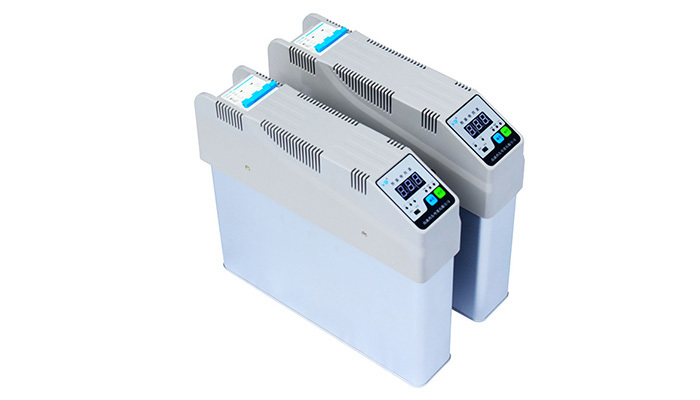
Capacitor cabinets play a pivotal role in modern electrical systems. They house capacitors, which are crucial components for energy storage and power factor correction in industrial and commercial applications. A **high-quality capacitor cabinet** is not merely a protective enclosure; it is integral to maintaining system performance and efficiency. Understanding the benefits of investing in a premium capacitor cabinet can help organizations make informed decisions about their electrical infrastructure.
The Importance of Capacitors in Electrical Systems
Capacitors serve multiple purposes in electrical systems, including:
- **Energy Storage**: Capacitors store electrical energy temporarily, releasing it when needed to stabilize voltage levels.
- **Power Factor Correction**: They improve the power factor of electrical systems, reducing energy losses and enhancing efficiency.
- **Voltage Regulation**: Capacitors help maintain consistent voltage levels, safeguarding sensitive equipment from voltage fluctuations.
Given these functions, the design and quality of the **capacitor cabinet** become crucial for overall system efficiency.
Key Benefits of Using a High-Quality Capacitor Cabinet
1. Enhanced Protection for Capacitors
A high-quality capacitor cabinet is designed to protect capacitors from environmental factors such as dust, moisture, and temperature fluctuations. These cabinets often feature robust materials and insulation properties that help prevent damage, extending the life of the capacitors and reducing replacement costs.
2. Improved System Performance
When capacitors are housed in a well-constructed cabinet, their performance improves significantly. High-quality cabinets are engineered to minimize electrical losses, which enhances the overall efficiency of the electrical system. This results in better power quality and more reliable operation, essential for critical applications.
3. Optimized Cooling Mechanisms
Heat management is vital for capacitor performance. High-quality capacitor cabinets are equipped with effective cooling systems, such as ventilation or air conditioning units. These features help maintain optimal operating temperatures, reducing the risk of overheating and prolonging the lifespan of the capacitors.
4. Safety Features and Compliance
Top-tier capacitor cabinets adhere to stringent safety standards and regulations. They are often equipped with safety features such as circuit breakers, fuses, and automatic shut-offs. These components are essential for protecting both the capacitors and the entire electrical system from faults and malfunctions.
5. Flexibility and Scalability
Premium capacitor cabinets are designed with flexibility in mind. They can accommodate various capacitor sizes and configurations, making it easier to upgrade or expand systems as needed. This adaptability is crucial for businesses looking to scale their operations without significant additional investment in new equipment.
6. Cost-Effectiveness Over Time
While the initial investment in a high-quality capacitor cabinet may be higher than lower-quality alternatives, the long-term savings are significant. Reduced maintenance costs, lower energy bills due to improved efficiency, and longer capacitor lifespans all contribute to overall cost-effectiveness.
7. Simplified Installation and Maintenance
High-quality capacitor cabinets are often designed for straightforward installation, allowing for quick deployment without extensive modifications to existing systems. Additionally, they come with user-friendly maintenance features, making it easier for technicians to perform regular checks and servicing.
8. Customization Options
Not all electrical systems are the same. A high-quality capacitor cabinet can be customized to meet specific requirements, whether it’s size, configuration, or additional features. This customization ensures that the cabinet integrates seamlessly with existing infrastructure, providing optimal performance.
Choosing the Right Capacitor Cabinet for Your Needs
Selecting the right capacitor cabinet involves several considerations:
1. Assessing Your Electrical Load Requirements
Understanding your electrical load is critical in determining the size and type of capacitor cabinet needed. Calculate the total load and consider future growth to ensure that your selected cabinet can accommodate your requirements.
2. Evaluating Environmental Conditions
Consider the environmental factors that the capacitor cabinet will be exposed to, such as temperature extremes, humidity, and dust levels. Choose a cabinet designed to withstand these conditions to enhance durability.
3. Understanding Regulatory Compliance
Ensure that the capacitor cabinet complies with local and international safety standards. This compliance is crucial for the safety of your electrical system and to avoid potential fines or shutdowns.
4. Working with Reputable Manufacturers
Partner with reputable manufacturers known for producing high-quality capacitor cabinets. Research their product offerings, customer reviews, and industry reputation to ensure you are making a sound investment.
Maintenance Tips for High-Quality Capacitor Cabinets
Maintaining your capacitor cabinet is essential for ongoing performance and reliability. Here are some maintenance tips:
1. Regular Inspections
Conduct regular inspections of the cabinet and its components. Look for signs of wear, corrosion, or damage to ensure everything is functioning correctly.
2. Cleaning Procedures
Keep the cabinet clean and free from dust and debris. Use appropriate cleaning methods that do not damage the cabinet material or its components.
3. Monitor Operating Conditions
Regularly check the temperature and humidity levels inside the cabinet. If necessary, make adjustments to cooling mechanisms to maintain optimal conditions.
4. Document Maintenance Activities
Keep a log of all maintenance activities, inspections, and repairs. This documentation can be helpful for future reference and in maintaining warranty coverage.
FAQs About High-Quality Capacitor Cabinets
1. What is the lifespan of a high-quality capacitor cabinet?
The lifespan can vary based on usage and environmental factors, but a well-maintained high-quality capacitor cabinet can last 15-25 years or more.
2. How do I know if my capacitor cabinet needs replacement?
Signs such as frequent overheating, damage to components, or decreased system performance indicate that it may be time for a replacement.
3. Can I retrofit my existing cabinet with new technology?
Many high-quality cabinets can be retrofitted with new components, but it’s essential to consult with a manufacturer or technician to ensure compatibility.
4. Are there specific maintenance requirements for capacitor cabinets?
Yes, regular inspections, cleaning, and monitoring of operating conditions are essential for maintaining optimal performance.
5. What is the difference between standard and high-quality capacitor cabinets?
High-quality cabinets are designed with superior materials, enhanced safety features, and better environmental protection compared to standard options, leading to improved performance and longevity.
Conclusion
Investing in a **high-quality capacitor cabinet** is a strategic move for any organization looking to optimize their electrical systems. The benefits, including enhanced protection, improved performance, and long-term cost savings, make these cabinets essential for reliable electrical operations. By understanding the advantages and features of these cabinets, you can make informed decisions that will positively impact your electrical infrastructure for years to come.
Latest information
Get a Free Consultancy
If you have any suggestions, please leave a message or send an email to us.

Xidong Electric Appliance
Contact Information
Service Hotline
Telephone: +86 13962924051
Whatsapp: +60 11 69869211
E-mail:ghx@xidongdq.com
Address: Tongyu Avenue, Chengdong Town Industrial Park, Haian County, Jiangsu Province
Copyright © 2025 Nantong Xidong Electric Co., Ltd. Powered by www.300.cn
Business License