






Low Voltage Cabinets: A Key Component in Electrical System Planning
Release time:
2026-02-21

Low Voltage Cabinets: A Key Component in Electrical System Planning
Table of Contents
- Introduction to Low Voltage Cabinets
- Understanding the Importance of Low Voltage Cabinets
- Key Functions of Low Voltage Cabinets
- Design Considerations for Low Voltage Cabinets
- Types of Low Voltage Cabinets
- Installation Best Practices for Low Voltage Cabinets
- Maintenance and Upkeep
- Future Trends in Low Voltage Cabinet Technologies
- Conclusion
- FAQs
Introduction to Low Voltage Cabinets
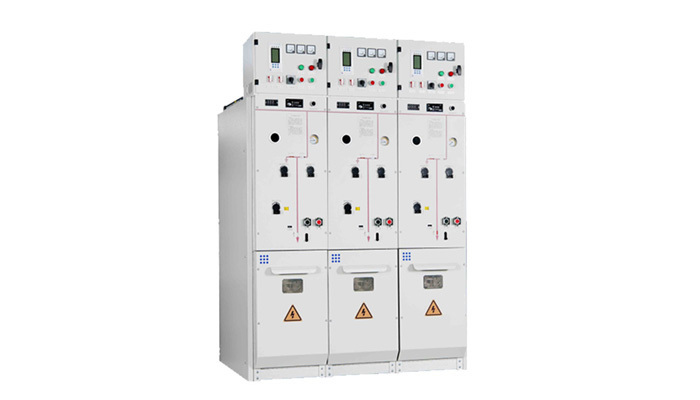
Low voltage cabinets are essential components within electrical systems, serving as protective enclosures for critical electrical equipment that operates at low voltage levels. These cabinets house various devices, including circuit breakers, relays, and transformers, ensuring that the electrical components function safely and efficiently. The design and implementation of low voltage cabinets are pivotal in electrical system planning, especially in residential, commercial, and industrial settings.
Understanding the Importance of Low Voltage Cabinets
The significance of low voltage cabinets extends beyond mere containment of electrical equipment. They provide a structured environment that enhances organization, safety, and accessibility. By managing heat dissipation, preventing dust ingress, and facilitating maintenance, low voltage cabinets ensure the longevity and reliability of electrical installations. Furthermore, they play a critical role in compliance with electrical safety standards and codes, helping to mitigate risks associated with electrical failures.
Benefits of Integrating Low Voltage Cabinets
Integrating low voltage cabinets in electrical planning brings several advantages:
- **Organization**: They help centralize and neatly arrange electrical components, making troubleshooting and upgrades simpler.
- **Safety**: By enclosing electrical equipment, they protect users from accidental contact while preventing environmental factors from damaging components.
- **Efficiency**: Proper ventilation and thermal management within the cabinets enhance the operational efficiency of electrical devices.
- **Scalability**: As systems grow or change, low voltage cabinets can easily accommodate new technology or additional equipment.
Key Functions of Low Voltage Cabinets
Low voltage cabinets serve several functions that are crucial in electrical system management:
1. Protection
Low voltage cabinets provide an essential protective barrier around sensitive electrical components. By shielding them from physical damage and environmental hazards, these cabinets help maintain the integrity of electrical systems.
2. Organization
They offer a structured layout that simplifies the arrangement of various electrical devices, making it easier to identify and access components during maintenance or upgrades.
3. Cooling and Ventilation
Effective thermal management is vital in low voltage systems. Cabinets are designed with ventilation features that allow for optimal airflow, preventing overheating and ensuring sustained performance.
4. Compliance
Low voltage cabinets must adhere to various electrical codes and standards. They help ensure that installations comply with safety regulations, reducing liability for contractors and facility managers.
Design Considerations for Low Voltage Cabinets
Designing an effective low voltage cabinet involves several critical factors:
1. Size and Space Requirements
Determining the appropriate size for a low voltage cabinet is essential. The cabinet must accommodate all electrical components while allowing for future expansions or modifications.
2. Material Selection
The materials used for constructing the cabinets should be durable and suitable for the operating environment. Options may include stainless steel, carbon steel, and fiberglass, each offering unique benefits regarding strength, corrosion resistance, and electrical conductivity.
3. Ventilation and Cooling Systems
Proper ventilation systems are crucial for maintaining optimal temperatures within the cabinet. Designers must consider the heat output of the equipment housed within the cabinet and ensure adequate airflow through vents or fans.
4. Accessibility
Cabinets should be designed for easy access to electrical components for maintenance and troubleshooting. Features like removable panels and adequate cable management solutions enhance accessibility.
Types of Low Voltage Cabinets
Understanding the various types of low voltage cabinets available can aid in selecting the right solution for specific applications:
1. Wall-Mounted Cabinets
These cabinets are affixed to walls and are ideal for spaces where floor space is limited. They are commonly used in residential and light commercial settings.
2. Floor-Mounted Cabinets
Floor-mounted cabinets are larger and can accommodate more equipment. They are typically used in industrial environments where substantial electrical components are necessary.
3. Modular Cabinets
Modular cabinets are designed for scalability, allowing for easy expansion and reconfiguration as system requirements change.
4. Custom-Built Cabinets
For unique applications, custom-built cabinets offer tailored solutions to meet specific requirements regarding size, material, and design.
Installation Best Practices for Low Voltage Cabinets
Proper installation is crucial for the performance and safety of low voltage cabinets. Adhering to best practices can ensure optimal functionality:
1. Site Preparation
Before installation, the site must be adequately prepared. This includes ensuring that the flooring is level and that adequate space is available for the cabinet and any necessary cooling systems.
2. Follow Manufacturer Guidelines
Always refer to the manufacturer's installation instructions. These guidelines provide critical information on assembly, mounting, and electrical connections.
3. Ensure Proper Grounding
Grounding is vital in preventing electrical shock and equipment damage. Ensure that all components within the cabinet are properly grounded.
4. Test Before Closure
Before sealing the cabinet, conduct thorough testing of all installed equipment to ensure everything is functional and configured correctly.
Maintenance and Upkeep
Regular maintenance is essential for the reliability and longevity of low voltage cabinets. Key maintenance tasks include:
1. Routine Inspections
Conduct regular inspections to identify any signs of wear, corrosion, or damage. Early detection can prevent costly repairs or replacements.
2. Cleaning
Keep the interior and exterior of the cabinets clean to prevent dust buildup, which can impede airflow and cause overheating.
3. Testing Components
Periodically test all electrical components housed within the cabinets to ensure they are functioning correctly and safely.
Future Trends in Low Voltage Cabinet Technologies
As technology evolves, so do low voltage cabinets. Several trends are shaping the future of these critical components:
1. Smart Cabinets
The advent of smart technology is leading to the development of smart low voltage cabinets that integrate monitoring systems for remote access to data on temperature, humidity, and power consumption.
2. Enhanced Energy Efficiency
Manufacturers are focusing on energy-efficient designs that minimize power usage and incorporate renewable energy solutions.
3. Sustainability
The push for sustainability is encouraging the use of eco-friendly materials and designs that reduce the environmental impact of low voltage cabinets.
4. Modular and Customizable Solutions
As electrical systems become more complex, the demand for modular and customizable cabinets is increasing. These solutions allow for greater flexibility in adapting to changing technologies and requirements.
Conclusion
Low voltage cabinets are indispensable elements in the landscape of electrical system planning. They provide protection, organization, and efficiency while ensuring compliance with safety standards. By understanding their functions, design considerations, and maintenance requirements, stakeholders can make informed decisions that enhance the performance and reliability of electrical systems. As technology continues to advance, the evolution of low voltage cabinets will play a crucial role in shaping the future of electrical infrastructure.
FAQs
1. What is a low voltage cabinet?
A low voltage cabinet is an enclosure that houses electrical equipment operating at low voltage levels, providing protection, organization, and enhanced safety.
2. Why are low voltage cabinets important?
They are crucial for protecting sensitive electrical components, ensuring proper organization, and maintaining compliance with electrical safety standards.
3. What types of low voltage cabinets are available?
Common types include wall-mounted, floor-mounted, modular, and custom-built cabinets.
4. How should low voltage cabinets be installed?
Installation requires proper site preparation, adherence to manufacturer guidelines, ensuring grounding, and conducting tests before sealing the cabinet.
5. What maintenance is required for low voltage cabinets?
Routine inspections, cleaning, and testing of components are essential for maintaining the reliability and longevity of low voltage cabinets.
Latest information
Get a Free Consultancy
If you have any suggestions, please leave a message or send an email to us.

Xidong Electric Appliance
Contact Information
Service Hotline
Telephone: +86 13962924051
Whatsapp: +60 11 69869211
E-mail:ghx@xidongdq.com
Address: Tongyu Avenue, Chengdong Town Industrial Park, Haian County, Jiangsu Province
Copyright © 2025 Nantong Xidong Electric Co., Ltd. Powered by www.300.cn
Business License