






How Capacitor Cabinets Enhance Circuit Performance: A Comprehensive Guide
Release time:
2026-02-01

How Capacitor Cabinets Improve Circuit Performance
Table of Contents
1. Introduction to Capacitor Cabinets
2. The Role of Capacitors in Electrical Circuits
3. Understanding Capacitor Cabinets
4. Benefits of Using Capacitor Cabinets
4.1 Enhanced Energy Efficiency
4.2 Improved Power Factor
4.3 Voltage Regulation
5. Applications of Capacitor Cabinets in Various Industries
6. Installation and Maintenance of Capacitor Cabinets
7. Common Mistakes to Avoid
8. FAQs about Capacitor Cabinets
9. Conclusion
1. Introduction to Capacitor Cabinets
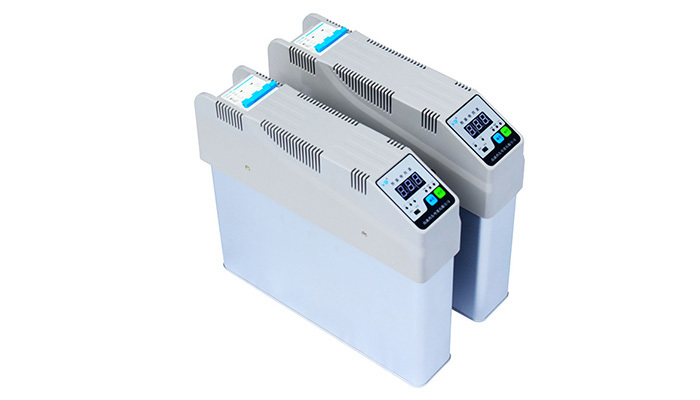
Capacitor cabinets are essential components in electrical engineering, specifically designed to house multiple capacitors. These cabinets play a crucial role in enhancing the performance of electrical circuits by providing a controlled environment for capacitors to operate efficiently. In this article, we will delve into how capacitor cabinets improve circuit performance, exploring their benefits, applications, installation processes, and more.
2. The Role of Capacitors in Electrical Circuits
Capacitors are passive electronic components that store and release electrical energy. They are critical in managing voltage fluctuations, filtering signals, and improving power quality. Capacitors work by accumulating charge and releasing it when needed, thus stabilizing the voltage and maintaining circuit performance. Understanding the fundamental role of capacitors in circuit design is essential to appreciate the significance of capacitor cabinets.
3. Understanding Capacitor Cabinets
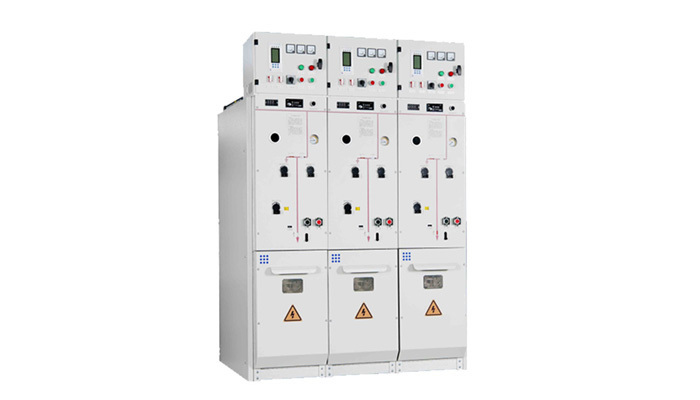
Capacitor cabinets are designed to facilitate the safe and efficient operation of capacitors. They serve several functions, including:
- **Containment**: Providing a protective enclosure for capacitors, shielding them from environmental factors.
- **Organization**: Allowing for the systematic arrangement of capacitors to optimize their performance and maintenance.
- **Connection**: Offering robust electrical connections that can handle high voltages and currents.
Capacitor cabinets come in various designs, tailored to specific applications and environments. By centralizing capacitors in a cabinet, engineers can ensure better management and performance.
4. Benefits of Using Capacitor Cabinets
Capacitor cabinets significantly enhance circuit performance through various benefits:
4.1 Enhanced Energy Efficiency
One of the primary advantages of capacitor cabinets is their ability to improve energy efficiency. By storing excess energy during low demand and releasing it during peak demand, capacitor cabinets help in reducing energy waste. This process leads to lower electricity bills and a reduced carbon footprint, making them an environmentally friendly option.
4.2 Improved Power Factor
Power factor is a critical measure of how effectively electrical power is being converted into useful work output. Capacitor cabinets help improve the power factor by compensating for inductive loads, leading to more efficient energy use. A higher power factor reduces the need for additional generation capacity and improves overall system reliability.
4.3 Voltage Regulation
Voltage regulation is essential for maintaining the stability of electrical systems. Capacitor cabinets help stabilize voltage levels by compensating for fluctuations caused by varying loads. This stabilization enhances the performance of sensitive equipment and reduces the risk of damage due to voltage spikes.
5. Applications of Capacitor Cabinets in Various Industries
Capacitor cabinets find applications across multiple industries, including:
- **Industrial Manufacturing**: Used to improve the efficiency of motors and heavy machinery.
- **Renewable Energy**: Essential in solar and wind energy systems for voltage stabilization.
- **Telecommunications**: Help in managing power quality for communication systems.
- **Utilities**: Employed in substations for voltage support and reactive power compensation.
Each application highlights the versatility and importance of capacitor cabinets in enhancing circuit performance.
6. Installation and Maintenance of Capacitor Cabinets
Proper installation and maintenance of capacitor cabinets are paramount for optimal performance. The installation process typically involves:
1. **Site Assessment**: Evaluating the location for environmental factors and accessibility.
2. **Electrical Connections**: Ensuring proper wiring and connections to minimize resistance.
3. **Testing**: Conducting thorough testing after installation to verify functionality.
Regular maintenance is equally important. It includes:
- Inspecting for physical damage or wear.
- Checking electrical connections for corrosion or loosening.
- Monitoring performance metrics to identify potential issues early.
Following these steps ensures that the capacitor cabinets operate at peak efficiency over their lifespan.
7. Common Mistakes to Avoid
When working with capacitor cabinets, it’s crucial to avoid common pitfalls that can compromise performance:
- **Neglecting Specifications**: Always choose capacitors that match the system’s voltage and current requirements.
- **Ignoring Environmental Conditions**: Ensure that the cabinet is suitable for its environment, including temperature and humidity considerations.
- **Inadequate Testing**: Always perform comprehensive testing during and after installation to affirm operational efficiency.
By steering clear of these mistakes, engineers can significantly enhance the functionality of capacitor cabinets.
8. FAQs about Capacitor Cabinets
What is a capacitor cabinet used for?
Capacitor cabinets are used to house multiple capacitors, improving circuit efficiency by enhancing energy storage, power factor, and voltage regulation.
How do capacitor cabinets improve energy efficiency?
They store excess energy and release it when needed, reducing waste and lowering energy costs.
What types of capacitors are typically found in cabinets?
Common types include electrolytic capacitors, film capacitors, and ceramic capacitors, each chosen based on specific application requirements.
Are capacitor cabinets safe to use?
Yes, when properly installed and maintained, capacitor cabinets are safe and designed to protect users from electrical hazards.
How often should I maintain my capacitor cabinet?
Regular inspections should be conducted at least annually, with immediate attention given if performance metrics indicate potential issues.
9. Conclusion
Capacitor cabinets are vital components in modern electrical systems, enhancing circuit performance through improved energy efficiency, power factor, and voltage stability. Understanding their role, applications, and maintenance can lead to optimized performance and reliability. As industries continue to evolve, the significance of capacitor cabinets will only grow, reinforcing their essential place in electrical engineering. Embracing these components can lead to significant benefits for both individual systems and broader applications, paving the way for a more efficient future.
Latest information
Get a Free Consultancy
If you have any suggestions, please leave a message or send an email to us.

Xidong Electric Appliance
Contact Information
Service Hotline
Telephone: +86 13962924051
Whatsapp: +60 11 69869211
E-mail:ghx@xidongdq.com
Address: Tongyu Avenue, Chengdong Town Industrial Park, Haian County, Jiangsu Province
Copyright © 2025 Nantong Xidong Electric Co., Ltd. Powered by www.300.cn
Business License