






How Low Voltage Cabinets Enhance Safety in Electrical Installations
Release time:
2025-12-29

How Low Voltage Cabinets Enhance Safety in Electrical Installations
Table of Contents
- 1. Introduction to Low Voltage Cabinets
- 2. The Importance of Safety in Electrical Installations
- 3. Design Features of Low Voltage Cabinets
- 4. Key Components of Low Voltage Cabinets
- 5. How Low Voltage Cabinets Improve Safety
- 6. Compliance with Safety Standards
- 7. Best Practices for Implementing Low Voltage Cabinets
- 8. Common Mistakes to Avoid
- 9. Frequently Asked Questions (FAQs)
- 10. Conclusion
1. Introduction to Low Voltage Cabinets
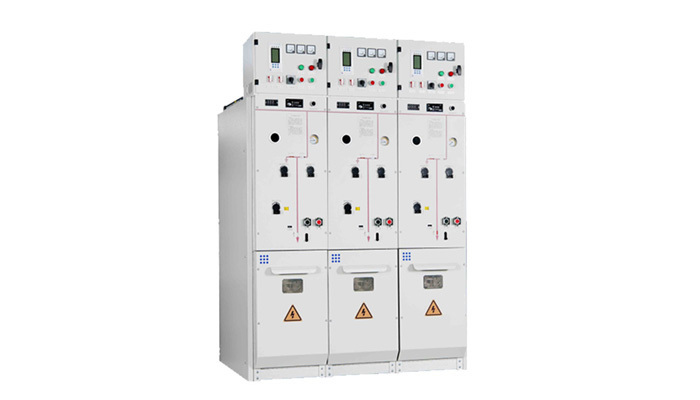
Low voltage cabinets are essential components in modern electrical installations. These specialized enclosures house low voltage switchgear, protecting electrical circuits and equipment. Designed to facilitate the distribution of electrical power safely, they play a pivotal role in enhancing safety standards across various environments, from residential buildings to industrial facilities.
Low voltage cabinets are engineered to meet stringent safety standards, thereby ensuring a reliable and efficient power supply. As we explore the multifaceted benefits of these cabinets, it becomes clear that their role extends beyond mere electrical distribution; they are critical in safeguarding people, equipment, and property.
2. The Importance of Safety in Electrical Installations
Electrical safety cannot be understated, as it is vital to prevent accidents that can lead to injuries, fatalities, and significant property damage. With the increasing reliance on electrical systems in our daily lives, the demand for robust safety measures has never been higher. Low voltage cabinets provide an effective solution by:
- Minimizing electrical hazards like short circuits and overloads.
- Protecting users from potential electrical shocks.
- Ensuring that electrical systems comply with local and national regulations.
In addition, the integration of low voltage cabinets into electrical installations enhances the overall resilience of the system against external threats such as surges and environmental factors.
3. Design Features of Low Voltage Cabinets
The design of low voltage cabinets directly contributes to their effectiveness in improving safety. Important design features include:
3.1 Robust Construction
Low voltage cabinets are typically constructed from durable materials such as steel or reinforced plastic, which provide physical protection against impact and environmental factors.
3.2 Ventilation Systems
Proper ventilation is crucial to prevent overheating. Many low voltage cabinets include built-in cooling systems or ventilation openings to maintain optimal operating temperatures.
3.3 Accessibility
A design that allows for easy access ensures that maintenance can be performed without compromising safety. User-friendly access points are essential for quick inspections and repairs.
4. Key Components of Low Voltage Cabinets
Understanding the components of low voltage cabinets is essential for appreciating their role in electrical safety. The primary components include:
4.1 Circuit Breakers
Circuit breakers are critical for protecting circuits from overloads and short circuits. They automatically disconnect the power in unsafe conditions, thus preventing potential hazards.
4.2 Busbars
Busbars are conductive materials that distribute electrical power to various circuits within the cabinet. Their design ensures minimal resistance and heat generation.
4.3 Protective Relays
These devices monitor electrical parameters and provide alerts or automatic disconnections in case of anomalies, enhancing safety by preventing system failures.
4.4 Enclosure Features
Features such as lockable doors and tamper-proof designs deter unauthorized access, thereby reducing the risk of accidental electrocution or equipment damage.
5. How Low Voltage Cabinets Improve Safety
Low voltage cabinets improve safety in several significant ways:
5.1 Reducing Electrical Hazards
By housing electrical components safely, these cabinets minimize exposure to live circuits. This is particularly important in environments with high foot traffic, such as commercial buildings.
5.2 Enhancing Fire Safety
Low voltage cabinets can be designed with fire-resistant materials, significantly reducing the risk of fire outbreaks caused by electrical faults.
5.3 Simplifying Maintenance
Routine maintenance is vital for safety. Low voltage cabinets enable easy access to components, ensuring that regular inspections can be conducted safely and efficiently.
6. Compliance with Safety Standards
Compliance with local and international safety standards is crucial for any electrical installation. Low voltage cabinets must adhere to regulations such as IEC 61439, which outlines the performance requirements for low voltage switchgear and controlgear assemblies. Meeting these standards ensures that the cabinets provide the anticipated safety features and operational reliability.
7. Best Practices for Implementing Low Voltage Cabinets
To maximize the safety benefits of low voltage cabinets, consider the following best practices:
7.1 Conducting Risk Assessments
Performing thorough risk assessments before installation helps identify potential hazards and allows for the design of cabinets that mitigate these risks effectively.
7.2 Engaging Qualified Professionals
Always engage experienced professionals for the design, installation, and maintenance of low voltage cabinets to ensure that safety standards are upheld.
7.3 Regular Inspections and Maintenance
Implement a routine schedule for inspections and maintenance to identify and address potential issues before they escalate into hazards.
8. Common Mistakes to Avoid
Avoiding common pitfalls can significantly enhance safety in electrical installations. Here are a few mistakes to steer clear of:
8.1 Inadequate Ventilation
Neglecting proper ventilation can lead to overheating and eventual failure of components. Always ensure that cabinets are adequately ventilated according to manufacturer specifications.
8.2 Ignoring Manufacturer Guidelines
Not following manufacturer instructions during installation can compromise safety. Always adhere to the guidelines provided for optimal performance.
8.3 Underestimating Environmental Factors
Failing to consider environmental factors, such as humidity and temperature fluctuations, can lead to premature wear and damage to components. Design cabinets to withstand local conditions.
9. Frequently Asked Questions (FAQs)
9.1 What are low voltage cabinets used for?
Low voltage cabinets are used to safely house electrical equipment, including switchgear and control devices, to protect circuits and enhance operational safety.
9.2 How do low voltage cabinets enhance safety?
They reduce exposure to live circuits, minimize electrical hazards, and ensure compliance with safety standards, all of which contribute to a safer electrical installation.
9.3 Are low voltage cabinets fire-resistant?
Many low voltage cabinets are designed with fire-resistant materials to minimize fire risks associated with electrical faults.
9.4 How often should low voltage cabinets be inspected?
It is recommended to inspect low voltage cabinets at least once a year, with more frequent checks if they are in environments prone to dust or moisture.
9.5 Can low voltage cabinets be customized?
Yes, low voltage cabinets can be customized to meet specific requirements, including size, configuration, and features to suit particular applications.
10. Conclusion
Low voltage cabinets are indispensable in enhancing safety within electrical installations. Their robust design, coupled with critical components and adherence to safety standards, significantly reduces the risk of accidents related to electrical systems. By understanding the importance of these cabinets and implementing best practices, businesses can create safer environments for both employees and the general public. Investing in low voltage cabinets is not just a regulatory requirement; it is a proactive step towards ensuring the well-being of all stakeholders involved in electrical installations.
Latest information
Get a Free Consultancy
If you have any suggestions, please leave a message or send an email to us.

Xidong Electric Appliance
Contact Information
Service Hotline
Telephone: +86 13962924051
Whatsapp: +60 11 69869211
E-mail:ghx@xidongdq.com
Address: Tongyu Avenue, Chengdong Town Industrial Park, Haian County, Jiangsu Province
Copyright © 2025 Nantong Xidong Electric Co., Ltd. Powered by www.300.cn
Business License