






Essential Considerations When Choosing a Capacitor Cabinet: A Comprehensive Guide
Release time:
2025-11-22

Essential Considerations When Choosing a Capacitor Cabinet
When selecting a capacitor cabinet, numerous factors come into play. These components serve as essential parts of electrical systems, making the right choice crucial for efficiency and longevity. In this extensive guide, we explore the myriad considerations necessary for selecting the ideal capacitor cabinet. From technical specifications to installation guidelines, every detail plays a significant role in ensuring reliable performance.
Table of Contents
- Understanding Capacitor Cabinets
- Why are Capacitor Cabinets Important?
- Key Factors in Choosing Capacitor Cabinets
- Capacity and Voltage Ratings
- Environmental Considerations
- Size and Space Constraints
- Protection and Safety Features
- Installation and Maintenance Tips
- Common Mistakes to Avoid
- Frequently Asked Questions
- Conclusion
Understanding Capacitor Cabinets
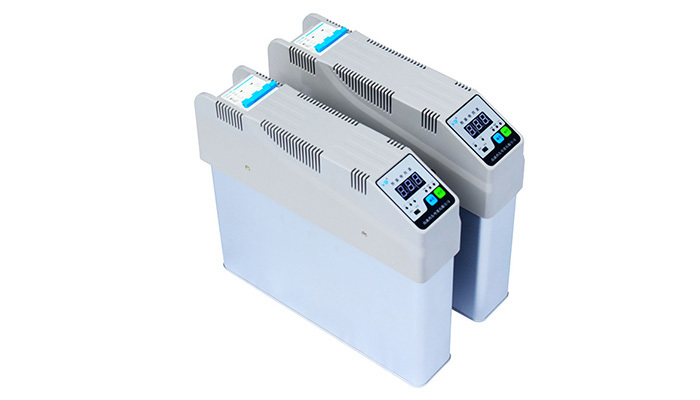
Capacitor cabinets are specialized enclosures designed to house capacitors, which are essential for managing electrical energy in various applications. These cabinets protect capacitors from environmental elements, prevent physical damage, and organize electrical systems for better performance. They can be custom-built or standardized to meet specific requirements, making them versatile for different electrical setups.
Why are Capacitor Cabinets Important?
The importance of capacitor cabinets cannot be overstated. They play a vital role in:
1. **Improving Power Factor**: Capacitor cabinets help improve the power factor in electrical systems, leading to increased efficiency and reduced energy costs.
2. **Voltage Regulation**: They stabilize voltage levels, ensuring consistent power supply and preventing fluctuations that can damage sensitive equipment.
3. **Reducing Harmonics**: By filtering out harmonics, capacitor cabinets enhance the overall quality of the electrical supply, protecting equipment and improving performance.
4. **Space Optimization**: These cabinets offer an organized solution for managing multiple capacitors, saving valuable space in electrical rooms or panels.
Key Factors in Choosing Capacitor Cabinets
Selecting the right capacitor cabinet requires careful consideration of various factors. Below, we examine the most crucial elements that should influence your decision-making process.
Capacity and Voltage Ratings
The capacity of a capacitor cabinet is measured in microfarads (µF), which indicates its ability to store electrical energy. When choosing a cabinet, assess the following:
- **Required Capacity**: Determine the total capacitance required for your application. This involves calculating the reactive power (measured in VARs) needed to improve power factor.
- **Voltage Rating**: Ensure that the voltage rating of the capacitors matches the system voltage. A mismatch can lead to catastrophic failure or reduced efficiency.
Choosing capacitors with the appropriate ratings is essential for optimal performance and safety.
Environmental Considerations
Capacitor cabinets must withstand various environmental conditions. Key factors include:
- **Temperature Range**: Review the operating temperature range of capacitors and cabinets. Extreme temperatures can affect performance and lifespan.
- **Moisture and Corrosion Resistance**: If the installation site has high humidity or corrosive elements, consider cabinets with protective coatings or enclosures designed for such conditions.
- **Ventilation Needs**: Proper ventilation is crucial to prevent overheating. Make sure the cabinet design allows for adequate airflow to maintain optimal temperatures.
By addressing environmental factors, you can enhance the reliability and longevity of your capacitor systems.
Size and Space Constraints
The physical size of the capacitor cabinet is another important consideration. Evaluate:
- **Available Space**: Measure the area where the cabinet will be installed. Ensure it fits comfortably without hindering access to other equipment.
- **Modular Designs**: If future expansion is a possibility, consider modular designs that allow for easy integration of additional capacitors without requiring a complete overhaul of the system.
Efficient use of space can lead to better organization and improved accessibility for maintenance.
Protection and Safety Features
Safety is paramount when dealing with electrical components. Look for capacitor cabinets with:
- **Overcurrent Protection**: Circuit breakers or fuses should be included to protect against overcurrent situations.
- **Surge Protection**: Surge protectors can prevent damage from voltage spikes, safeguarding capacitors and associated equipment.
- **Locking Mechanisms**: For added safety, especially in public or industrial settings, cabinets should have secure locking mechanisms to prevent unauthorized access.
Implementing these features can significantly reduce the risk of accidents and equipment failure.
Installation and Maintenance Tips
Once the right capacitor cabinet is selected, the next step involves proper installation and ongoing maintenance. Here are some essential tips:
Installation Guidelines
1. **Follow Manufacturer Instructions**: Always adhere to the specific installation instructions provided by the manufacturer.
2. **Ensure Proper Grounding**: Effective grounding is crucial to minimize shock risks and ensure safety.
3. **Use Quality Wiring**: Employ high-quality wiring that can handle the required load without overheating.
Maintenance Best Practices
1. **Regular Inspections**: Schedule routine inspections to check for signs of wear, corrosion, or damage. Early detection can prevent catastrophic failures.
2. **Cleaning**: Keep the cabinet clean and free from dust and debris, which can cause overheating and reduce efficiency.
3. **Monitor Performance**: Regularly monitor the performance of the capacitors and associated systems to ensure optimal operation.
Maintaining your capacitor cabinet can extend its lifespan and improve overall system reliability.
Common Mistakes to Avoid
While selecting and installing capacitor cabinets, certain pitfalls can lead to inefficiencies or failures. Common mistakes include:
1. **Underestimating Capacity Needs**: Failing to accurately calculate capacitance requirements can result in inadequate performance.
2. **Ignoring Environmental Factors**: Neglecting environmental conditions can lead to premature failure of capacitors.
3. **Inadequate Maintenance**: Skipping regular maintenance can lead to unnoticed issues that escalate into serious problems.
Awareness of these common mistakes can help you make more informed decisions and avoid costly errors.
Frequently Asked Questions
What is the lifespan of a typical capacitor cabinet?
The lifespan of a capacitor cabinet can range from 10 to 20 years, depending on usage, maintenance, and environmental conditions. Regular inspections can help prolong this lifespan.
How do I know if my capacitor cabinet needs replacement?
Signs that a capacitor cabinet may need replacement include visible corrosion, overheating, frequent tripping of circuit breakers, and reduced performance of connected systems.
Can I install a capacitor cabinet myself?
While some installations can be handled by knowledgeable individuals, it’s advisable to consult a professional electrician to ensure safety and compliance with local electrical codes.
What is the average cost of a capacitor cabinet?
The cost of a capacitor cabinet varies widely based on size, features, and specifications. Basic models can start around $500, while more advanced systems may exceed several thousand dollars.
Are capacitor cabinets environmentally friendly?
Many modern capacitor cabinets are designed with energy efficiency in mind, contributing to lower energy consumption and reduced carbon footprints when used to improve power factor.
Conclusion
Choosing the right capacitor cabinet is a critical decision that impacts the efficiency and reliability of your electrical systems. By considering factors such as capacity, environmental conditions, size constraints, and safety features, you can make informed choices that optimize performance. Moreover, by adhering to installation and maintenance best practices, you can extend the lifespan of your capacitor cabinets, ensuring that they function effectively for years to come.
Latest information
Get a Free Consultancy
If you have any suggestions, please leave a message or send an email to us.

Xidong Electric Appliance
Contact Information
Service Hotline
Telephone: +86 13962924051
Whatsapp: +60 11 69869211
E-mail:ghx@xidongdq.com
Address: Tongyu Avenue, Chengdong Town Industrial Park, Haian County, Jiangsu Province
Copyright © 2025 Nantong Xidong Electric Co., Ltd. Powered by www.300.cn
Business License