






Expert Tips for Maintaining Your Low Voltage MNS Switchgear
Release time:
2025-04-20

Expert Tips for Maintaining Your Low Voltage MNS Switchgear
Maintaining low voltage MNS switchgear is crucial for ensuring safety, reliability, and efficiency in electrical systems. This article outlines expert-level maintenance strategies, troubleshooting tips, and best practices to keep your switchgear in optimal condition.
Understanding MNS Switchgear: A Brief Overview
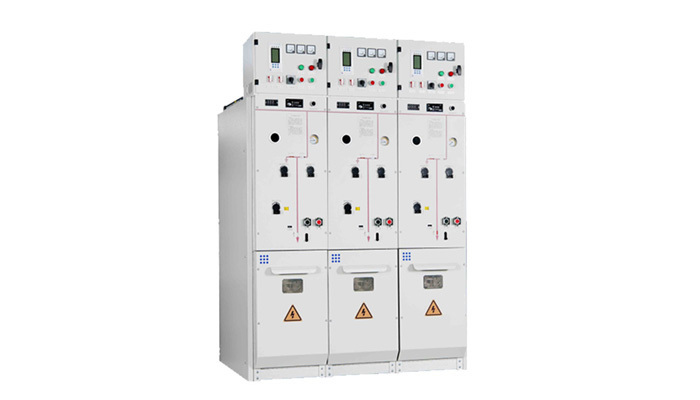
MNS switchgear stands for Modular Low Voltage Switchgear, developed by Siemens. This versatile and flexible system is widely used in various applications, including industrial, commercial, and residential settings. It allows for modular assembly and customization, making it suitable for different power distribution needs. Understanding its components and functionalities is the first step towards effective maintenance.
Key Components of Low Voltage MNS Switchgear
Low voltage MNS switchgear consists of several critical components:
1. **Circuit Breakers**: Protect the electrical system from overloads and short circuits.
2. **Busbars**: Conduct electricity between different components within the switchgear.
3. **Control Panels**: Provide monitoring and control functionalities.
4. **Disconnectors**: Isolate segments of the switchgear for maintenance or safety purposes.
5. **Protection Relays**: Detect abnormalities and initiate circuit protection measures.
The Importance of Regular Maintenance
Routine maintenance of low voltage MNS switchgear is essential for:
- **Safety**: Prevent electrical hazards and accidents.
- **Reliability**: Ensure uninterrupted power supply.
- **Efficiency**: Optimize energy consumption and reduce operational costs.
- **Longevity**: Extend the service life of your switchgear.
Expert Maintenance Tips for Your Low Voltage MNS Switchgear
To maintain the efficiency and reliability of your MNS switchgear, implement the following expert tips.
1. Conduct Routine Inspections
Regular inspections are fundamental to identifying potential issues early. During inspections, focus on:
- **Physical Condition**: Look for signs of wear, corrosion, or loose connections.
- **Thermal Imaging**: Utilize thermal cameras to detect overheating components.
- **Dust and Contaminants**: Ensure that the switchgear is free from dust and debris.
2. Perform Electrical Testing
Electrical testing helps in assessing the performance of the switchgear. Key tests to perform include:
- **Insulation Resistance Testing**: Measure the insulation quality between live parts and earth.
- **Contact Resistance Testing**: Ensure low resistance in circuit breaker contacts.
- **Power Factor Testing**: Evaluate the efficiency of the switchgear under load conditions.
3. Maintain Proper Environment Conditions
The environment in which your switchgear operates significantly impacts its performance. Ensure:
- **Temperature Control**: Maintain an optimal temperature range to prevent overheating.
- **Humidity Levels**: Control humidity to prevent corrosion and short circuits.
- **Ventilation**: Ensure sufficient airflow to dissipate heat effectively.
Seasonal Maintenance Checks
Conduct seasonal checks to prepare your switchgear for extreme weather conditions. This includes checking seals and insulation for degradation due to temperature fluctuations.
4. Utilize Cleaning Techniques
Regular cleaning is essential for maintaining the integrity of your MNS switchgear. Recommended cleaning practices include:
- **Dry Cleaning**: Use a vacuum cleaner to remove dust and dirt from surfaces.
- **Wet Cleaning**: For more stubborn contaminants, use damp cloths with mild detergent.
- **Avoid Abrasives**: Refrain from using abrasive materials that could damage surfaces.
5. Update Firmware and Software
If your MNS switchgear features digital controls, ensure that the firmware and software are up to date. Regular updates can improve functionality and security.
6. Train Your Staff
Proper training for personnel handling switchgear operations and maintenance is vital:
- **Safety Protocols**: Educate staff on electrical safety and emergency procedures.
- **Operational Training**: Familiarize them with the switchgear’s functionalities and controls.
Troubleshooting Common Issues in MNS Switchgear
Despite routine maintenance, issues may still arise. Here are some common problems and troubleshooting techniques.
1. Circuit Breaker Tripping
If circuit breakers frequently trip, it could indicate:
- **Overload Conditions**: Check the load on the circuit.
- **Faulty Breakers**: Replace circuit breakers that exhibit continued failure.
2. Overheating Components
Overheating can be caused by:
- **Loose Connections**: Tighten any loose electrical connections.
- **Inadequate Cooling**: Ensure ventilation is sufficient and operational.
3. Unusual Noises**
Unusual sounds from the switchgear may indicate mechanical issues. Investigate and address these promptly to prevent further damage.
FAQs about Low Voltage MNS Switchgear Maintenance
1. How often should I inspect my low voltage MNS switchgear?
Regular inspections should occur at least every six months, with more frequent checks during high-demand periods.
2. What is the ideal temperature range for switchgear operation?
The ideal temperature range is typically between 20°C and 30°C (68°F to 86°F).
3. Can I perform maintenance on my switchgear without professional help?
While some maintenance tasks can be performed by trained personnel, it is advisable to consult professionals for complex issues.
4. What are the consequences of neglecting switchgear maintenance?
Neglecting maintenance can lead to electrical failures, safety hazards, decreased efficiency, and costly repairs.
5. Are there specific cleaning agents I should avoid?
Avoid any cleaning agents that are abrasive or contain solvents that could damage the switchgear components.
Conclusion
Maintaining your low voltage MNS switchgear is essential for ensuring its reliability, safety, and efficiency. By following the expert tips outlined in this article—from routine inspections and electrical testing to proper cleaning and staff training—you can significantly enhance the longevity and performance of your switchgear. A proactive maintenance approach not only prevents unexpected failures but also ensures that your electrical systems operate smoothly, providing you with peace of mind and operational excellence.
Latest information
Get a Free Consultancy
If you have any suggestions, please leave a message or send an email to us.

Xidong Electric Appliance
Contact Information
Service Hotline
Telephone: +86 13962924051
Whatsapp: +60 11 69869211
E-mail:ghx@xidongdq.com
Address: Tongyu Avenue, Chengdong Town Industrial Park, Haian County, Jiangsu Province
Copyright © 2025 Nantong Xidong Electric Co., Ltd. Powered by www.300.cn
Business License