






Understanding the Importance of a Distribution Box in Electrical Systems
Release time:
2025-09-13

Understanding the Importance of a Distribution Box in Electrical Systems
Table of Contents
- What is a Distribution Box?
- Components of a Distribution Box
- Functions of a Distribution Box in Electrical Systems
- Types of Distribution Boxes
- Installation of Distribution Boxes
- Maintenance Tips for Distribution Boxes
- Safety Considerations When Using Distribution Boxes
- Frequently Asked Questions
- Conclusion
What is a Distribution Box?
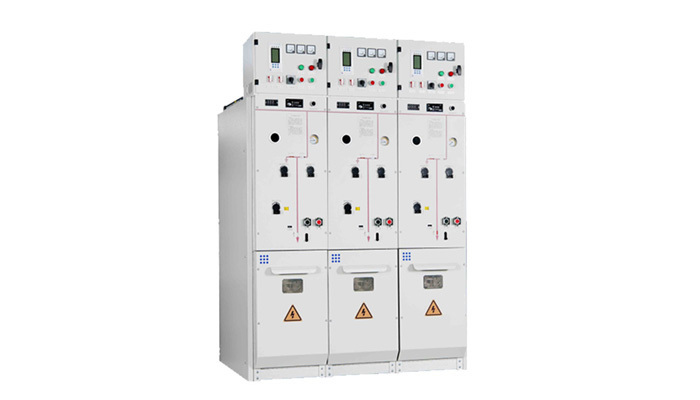
A distribution box, often referred to as a breaker box or electrical panel, is a crucial component in electrical systems. It serves as a hub for distributing electricity from a single source to multiple circuits within a building or site. By managing the electrical flow, distribution boxes enhance safety and operational efficiency.
Why They Matter in Modern Electrical Systems
With the increasing demand for electricity in homes and industries, the role of distribution boxes has become more significant. They not only protect electrical circuits but also allow for easy management of electrical loads, making it essential for anyone utilizing electrical systems to understand their importance.
Components of a Distribution Box
To fully grasp the importance of a distribution box, it is vital to understand its various components:
- Circuit Breakers: These are protective devices that automatically cut off electricity when there’s an overload or fault.
- Bus Bars: Conductors that distribute electricity to various circuits within the box.
- Enclosure: The physical casing that protects the internal components from dust, moisture, and damage.
- Neutral and Ground Bars: These are used to connect the neutral wire and ground wire to ensure safety and proper functioning.
- Labels: Essential for identification of circuits, ensuring ease of maintenance and troubleshooting.
Functions of a Distribution Box in Electrical Systems
The primary functions of a distribution box include:
1. Load Distribution
Distribution boxes ensure that electrical load is evenly distributed across various circuits. This helps to prevent overloads and potential hazards.
2. Fault Protection
By housing circuit breakers, distribution boxes provide essential protection against electrical faults, automatically disconnecting faulty circuits thereby safeguarding both equipment and occupants.
3. Segmentation of Circuits
They allow for the segmentation of electrical systems, enabling targeted troubleshooting and easier maintenance. With individual circuit controls, it is simpler to isolate problems.
4. Safety Enhancements
By providing a central point for circuit protection, distribution boxes enhance overall safety within electrical systems, significantly reducing the risk of electrical fires or shocks.
Types of Distribution Boxes
There are several types of distribution boxes used in various applications:
1. Main Distribution Boards (MDB)
These are used to control the distribution of power from the source to different areas in larger installations, such as industrial sites.
2. Sub Distribution Boards (SDB)
Typically used in smaller installations, SDBs take the supply from the MDB and distribute it to a limited number of circuits.
3. Consumer Units
Commonly found in residential settings, these units protect household circuits and are often referred to as "fuse boxes."
4. Outdoor Distribution Boxes
Designed to withstand environmental elements, these boxes are used outside buildings for gardens, yards, or external structures.
Installation of Distribution Boxes
Proper installation is crucial for ensuring the safety and functionality of a distribution box. Here are steps to consider:
- **Choose the Right Location:** Ensure accessibility while keeping it away from damp areas.
- **Follow Electrical Codes:** Adhere to local electrical codes and standards during installation.
- **Secure the Box Properly:** Mount it on a stable surface to prevent movement or damage.
- **Connect Wiring Carefully:** Properly connect all wires to their designated terminals while ensuring that connections are secure.
Maintenance Tips for Distribution Boxes
Regular maintenance is essential for extending the life of a distribution box:
1. Inspect Regularly
Routine checks can help identify signs of wear, overheating, or corrosion. Look for loose connections or discoloration around terminals.
2. Clean the Enclosure
Dust and debris can accumulate, potentially causing overheating. Periodically clean the enclosure and surrounding areas.
3. Test Circuit Breakers
Regularly test all circuit breakers to ensure they are functioning correctly. If a breaker trips frequently, it may indicate an underlying issue.
4. Engage Professionals for Complex Issues
For any electrical issues beyond basic maintenance, always consult a qualified electrician to assess and resolve the situation.
Safety Considerations When Using Distribution Boxes
Safety should never be compromised. Here are key considerations:
1. Use Correct Components
Always utilize components that are rated for the current load and compatible with the distribution box.
2. Ensure Proper Grounding
Grounding is critical for protecting both equipment and individuals from electrical shocks. Verify that proper grounding practices are followed.
3. Avoid Overloading Circuits
Always adhere to load capacities to prevent overheating and potential fire hazards.
4. Educate Users
Inform users about the importance of the distribution box and safe practices, reducing the risk of misuse and accidents.
Frequently Asked Questions
1. How often should I check my distribution box?
It is advisable to perform a visual inspection every six months and a thorough check by a professional at least once a year.
2. What should I do if a circuit breaker keeps tripping?
Frequent tripping can signal an overload or short circuit. Investigate the load on the circuit and consult a professional electrician if issues persist.
3. Can I install a distribution box myself?
While simple installations can be managed by individuals with electrical knowledge, it is often best to hire a licensed electrician to ensure safety and compliance with regulations.
4. What is the difference between a circuit breaker and a fuse?
A circuit breaker can be reset after tripping, whereas a fuse needs to be replaced once it blows.
5. Are there any signs that my distribution box needs replacement?
Signs include rust, burnt marks, frequent breaker trips, or an outdated design. If you notice any of these, consider consulting an electrician for an assessment.
Conclusion
Understanding the role of a distribution box within electrical systems is essential for both safety and functionality. By recognizing its components, functions, various types, and maintenance requirements, you can better appreciate its significance in managing electrical loads effectively. A well-maintained distribution box not only enhances safety but also ensures the smooth operation of electrical systems, ultimately contributing to the safety and efficiency of your electrical infrastructure.
Latest information
Get a Free Consultancy
If you have any suggestions, please leave a message or send an email to us.

Xidong Electric Appliance
Contact Information
Service Hotline
Telephone: +86 13962924051
Whatsapp: +60 11 69869211
E-mail:ghx@xidongdq.com
Address: Tongyu Avenue, Chengdong Town Industrial Park, Haian County, Jiangsu Province
Copyright © 2025 Nantong Xidong Electric Co., Ltd. Powered by www.300.cn