






How Static Reactive Power Generators Enhance Electrical Efficiency
Release time:
2025-10-13

How Static Reactive Power Generators Enhance Electrical Efficiency
Understanding Electrical Efficiency in Power Systems
Electrical efficiency is a critical factor in determining the performance and sustainability of power systems. By optimizing the flow of electricity, organizations can reduce waste, lower operational costs, and minimize their carbon footprint. This is where static reactive power generators come into play. These devices are designed to improve the efficiency of electrical systems by managing reactive power, which is essential for maintaining voltage levels and ensuring the smooth operation of electrical equipment.
What are Static Reactive Power Generators?
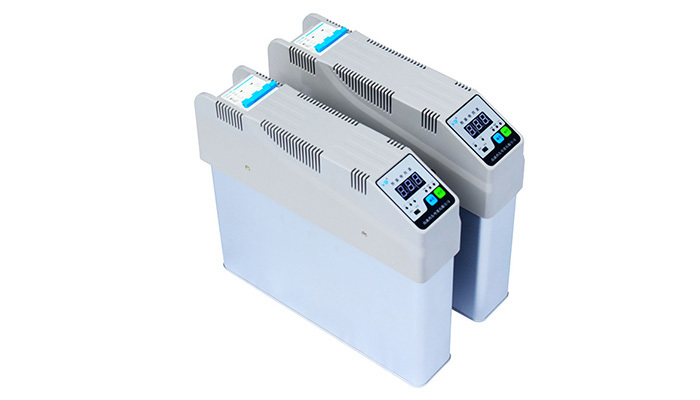
Static reactive power generators (SRPGs) are electrical devices that provide reactive power compensation in power systems. Unlike traditional generators, which primarily produce active power, SRPGs focus on supplying or absorbing reactive power to enhance system stability and efficiency. This capability is crucial in industries where large motors and inductive loads create significant reactive power demand, leading to voltage drops and inefficiencies.
The Role of Reactive Power in Electrical Systems
Reactive power is a vital component of alternating current (AC) electrical systems. It facilitates the creation of magnetic fields necessary for the operation of inductive loads such as motors, transformers, and generators. While active power performs useful work, reactive power ensures that the voltage levels remain stable, allowing for efficient energy delivery. A deficiency or excess of reactive power can lead to voltage instability, increased losses, and equipment damage.
Why Reactive Power Compensation is Necessary
The demand for reactive power varies throughout the day and across different operational conditions. When insufficient reactive power is available, voltage levels drop, leading to reduced efficiency and potential equipment failure. Conversely, excessive reactive power can cause over-voltage conditions, which may also damage sensitive electrical devices. Thus, effective reactive power compensation is essential for maintaining optimal performance in electrical systems.
How Static Reactive Power Generators Work
Static reactive power generators utilize power electronics technology to manage reactive power dynamically. These systems can either generate or absorb reactive power as needed, ensuring that voltage levels remain stable under varying load conditions. The most common types of static reactive power generators include:
- Static VAR Compensators (SVCs): These devices use thyristors to adjust the reactive power output in real-time, allowing for rapid response to load changes.
- Static Synchronous Compensators (STATCOMs): Similar to SVCs, STATCOMs utilize voltage source converters to provide fast and flexible reactive power compensation.
- Dynamic Reactive Power Generators: These systems combine energy storage technologies with power electronics to provide reactive power support, contributing to grid stability.
Benefits of Using Static Reactive Power Generators
Static reactive power generators offer numerous advantages that contribute to enhanced electrical efficiency. Here are some key benefits:
1. Improved Voltage Stability
By dynamically regulating reactive power, static reactive power generators help maintain voltage levels within acceptable limits. This stability is crucial for preventing equipment malfunctions and improving overall system reliability.
2. Reduced Energy Losses
Reactive power compensation minimizes energy losses in transmission lines and transformers. By ensuring that voltage remains stable, organizations can achieve substantial savings on energy costs and improve overall system performance.
3. Enhanced Power Factor
Static reactive power generators improve the power factor of electrical systems by supplying the necessary reactive power. A higher power factor leads to lower demand charges from utilities and reduced penalties for poor power factor performance.
4. Increased Equipment Lifespan
Maintaining stable voltage levels and reducing reactive power-related stresses on equipment can significantly extend the lifespan of electrical devices. This translates to lower maintenance costs and improved operational efficiency.
5. Support for Renewable Energy Integration
As the integration of renewable energy sources grows, so does the need for effective reactive power management. Static reactive power generators play a vital role in enhancing grid stability and accommodating the variable nature of renewable energy generation.
Applications of Static Reactive Power Generators
Static reactive power generators find applications across various industries, enhancing efficiency and stability in electrical systems. Here are some key sectors where these devices are commonly employed:
1. Industrial Manufacturing
In manufacturing facilities, large motors and inductive loads often lead to significant reactive power demand. SRPGs help maintain voltage levels, ensuring that production processes run smoothly and efficiently.
2. Power Generation Plants
Power generation facilities, especially those utilizing renewable sources, require effective reactive power management to maintain grid stability. Static reactive power generators support the integration of wind and solar energy by providing the necessary reactive power compensation.
3. Data Centers
Data centers rely on uninterrupted power supply and stable voltage levels to ensure optimal performance. SRPGs help improve power quality and reduce energy costs by managing reactive power efficiently.
4. Commercial Buildings
In commercial settings, static reactive power generators enhance electrical efficiency by improving power factor and reducing demand charges. This results in lower utility bills and improved energy management.
Choosing the Right Static Reactive Power Generator
Selecting the appropriate static reactive power generator requires careful consideration of various factors. Here are some key points to keep in mind:
1. Load Characteristics
Understanding the nature of the electrical loads is essential for determining the reactive power requirements. Analyzing load profiles can help identify the optimal SRPG type and size.
2. System Configuration
The existing electrical configuration, including voltage levels and distribution systems, will influence the selection process. Ensure compatibility between the SRPG and the overall system.
3. Response Time
Different applications may require varying response times for reactive power compensation. Evaluate the dynamic response capabilities of potential SRPG options to match system requirements.
4. Cost Considerations
While the initial investment in static reactive power generators can be significant, the long-term savings in energy costs and improved system performance often justify the expenditure. Conduct a thorough cost-benefit analysis before making a decision.
FAQs about Static Reactive Power Generators
1. What is the primary function of static reactive power generators?
The primary function of static reactive power generators is to provide reactive power compensation in electrical systems, enhancing voltage stability and overall efficiency.
2. How do static reactive power generators differ from traditional generators?
Unlike traditional generators that produce active power, static reactive power generators focus on managing reactive power to maintain voltage levels and support system stability.
3. Can static reactive power generators help reduce energy costs?
Yes, by improving voltage stability and power factor, static reactive power generators can lead to significant energy cost savings and reduced utility demand charges.
4. What industries benefit most from static reactive power generators?
Industries such as manufacturing, power generation, data centers, and commercial buildings benefit significantly from the use of static reactive power generators to enhance electrical efficiency.
5. Are there different types of static reactive power generators?
Yes, common types include Static VAR Compensators (SVCs), Static Synchronous Compensators (STATCOMs), and dynamic reactive power generators, each with unique characteristics and applications.
Conclusion
Static reactive power generators are powerful tools that enhance electrical efficiency in various applications. By improving voltage stability, reducing energy losses, and supporting renewable energy integration, these devices play a vital role in modern electrical systems. Organizations can significantly benefit from adopting static reactive power generators, leading to increased performance, reduced costs, and enhanced system reliability. As the demand for efficient energy solutions continues to grow, investing in static reactive power technologies will prove invaluable for the future of electrical efficiency.
Latest information
Get a Free Consultancy
If you have any suggestions, please leave a message or send an email to us.

Xidong Electric Appliance
Contact Information
Service Hotline
Telephone: +86 13962924051
Whatsapp: +60 11 69869211
E-mail:ghx@xidongdq.com
Address: Tongyu Avenue, Chengdong Town Industrial Park, Haian County, Jiangsu Province
Copyright © 2025 Nantong Xidong Electric Co., Ltd. Powered by www.300.cn