






Power Distribution Cabinets Drive Efficiency and Safety in Modern Electrical Systems
Release time:
2026-03-16

As global industrial and commercial infrastructure continues to expand, the role of power distribution cabinets has become increasingly vital. These cabinets, also known as electrical distribution boards or panels, are central to managing, controlling, and safeguarding electrical systems in factories, commercial buildings, data centers, and large-scale infrastructure projects. The rising demand for efficient, safe, and scalable electrical solutions has propelled innovations in power distribution cabinet design and manufacturing, making them essential components in modern electrical engineering.
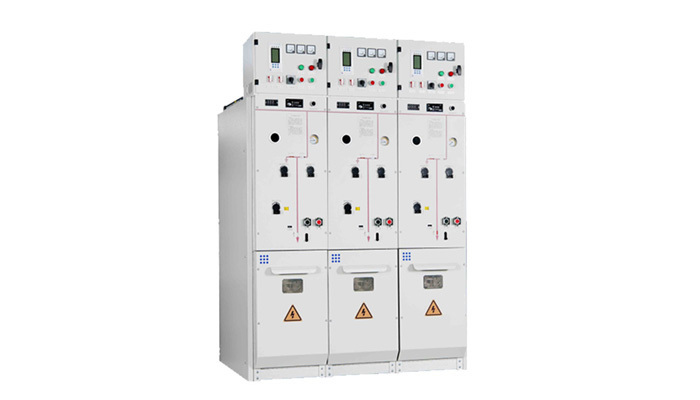
Power distribution cabinets serve as the main hub where electrical power is received from utility sources and distributed to various circuits within a facility. They are designed to accommodate multiple components such as circuit breakers, fuses, relays, switches, meters, and protective devices. By centralizing these components, power distribution cabinets allow for precise monitoring and control of electrical loads, ensuring optimal performance and minimizing risks associated with overloads, short circuits, or electrical faults.
Modern power distribution cabinets are built to meet diverse application requirements. Industrial power distribution cabinets, for example, are engineered to withstand high currents, harsh environmental conditions, and mechanical stress. They often feature robust steel enclosures, corrosion-resistant coatings, and modular internal layouts to allow for easy maintenance and expansion. In commercial settings, cabinets are designed with aesthetics, noise reduction, and compact footprint in mind while still meeting stringent electrical safety standards.
Safety remains a primary concern in the design of power distribution cabinets. Advanced cabinets include integrated protective mechanisms such as residual current devices (RCDs), surge protection devices (SPDs), and automatic breakers. These features help protect both personnel and equipment from electrical hazards, reduce downtime, and maintain continuous operation of critical systems. Additionally, standardized labeling and modular design improve operational efficiency and reduce human error during maintenance or troubleshooting.
The adoption of smart and intelligent power distribution cabinets has accelerated in recent years. These cabinets integrate sensors, digital monitoring, and communication modules to provide real-time data on voltage, current, temperature, and load balance. This digital transformation allows facility managers to remotely monitor electrical performance, detect potential issues before they escalate, and optimize energy usage. In industries where energy efficiency and reliability are critical, such as data centers, manufacturing plants, and hospitals, smart power distribution cabinets are becoming indispensable.
Customization has also become a key trend in power distribution cabinet manufacturing. Suppliers now offer tailored solutions to meet specific industry needs, whether it is accommodating non-standard voltages, high-capacity circuits, or specialized environmental conditions. For example, chemical plants and offshore facilities often require cabinets with enhanced corrosion resistance, waterproof sealing, and explosion-proof certification. The ability to customize ensures that the cabinet not only fits the technical specifications but also aligns with operational and safety requirements.
Global standards and certifications play a significant role in ensuring the reliability and safety of power distribution cabinets. International standards such as IEC, UL, ANSI, and local regulatory codes provide guidelines for materials, design, testing, and installation practices. Manufacturers adhering to these standards can deliver high-quality products capable of consistent performance in demanding industrial environments.
As urbanization and industrialization continue to grow worldwide, the need for reliable and efficient power distribution systems is expanding. Electrical infrastructure projects in smart cities, renewable energy plants, high-rise commercial buildings, and large industrial complexes all rely on advanced power distribution cabinets to ensure stable and secure electricity delivery.
Manufacturers are also focusing on sustainability and environmental responsibility. Modern cabinets are designed to minimize energy losses, use recyclable materials, and reduce hazardous substances in production. Energy-efficient designs, combined with intelligent monitoring, help reduce operational costs while supporting global initiatives for green energy and sustainable industrial development.
Future trends in power distribution cabinets include further integration with IoT, AI-based predictive maintenance, modular and scalable designs, and higher resistance to extreme environmental conditions. These innovations will continue to enhance the role of power distribution cabinets as core components of modern electrical networks, supporting both efficiency and safety in industrial, commercial, and infrastructure applications.
In conclusion, power distribution cabinets are more than just electrical panels; they are critical enablers of modern energy management and safety. Through advanced design, customization, smart monitoring, and adherence to global standards, these cabinets play a pivotal role in delivering reliable, efficient, and safe electrical power across diverse sectors worldwide.
Latest information
Get a Free Consultancy
If you have any suggestions, please leave a message or send an email to us.

Xidong Electric Appliance
Contact Information
Service Hotline
Telephone: +86 13962924051
Whatsapp: +60 11 69869211
E-mail:ghx@xidongdq.com
Address: Tongyu Avenue, Chengdong Town Industrial Park, Haian County, Jiangsu Province
Copyright © 2025 Nantong Xidong Electric Co., Ltd. Powered by www.300.cn