







Mastering the Installation Process of Low Voltage MNS Switchgear: A Comprehensive Guide
Release time:
2025-05-10

Understanding the Installation Process of Low Voltage MNS Switchgear
Table of Contents
- 1. Introduction to Low Voltage MNS Switchgear
- 2. Importance of Proper Installation
- 3. Pre-Installation Preparations
- 4. Step-by-Step Installation Process
- 4.1 Preparing the Installation Site
- 4.2 Mounting the MNS Switchgear
- 4.3 Electrical Connections
- 4.4 Testing the Installation
- 5. Maintenance and Troubleshooting
- 6. Frequently Asked Questions (FAQs)
- 7. Conclusion
1. Introduction to Low Voltage MNS Switchgear
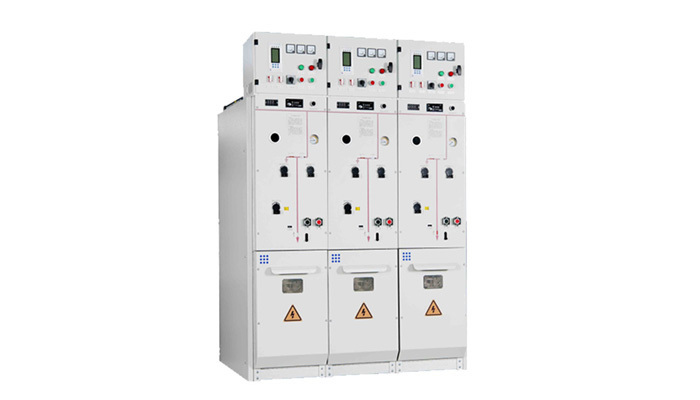
Low Voltage MNS switchgear is a critical component in electrical systems, designed to control and protect electrical circuits. It is commonly utilized in various industrial applications, providing safe and reliable power distribution. Understanding the installation process of MNS switchgear is essential for ensuring its optimal functionality and longevity.
2. Importance of Proper Installation
The installation of low voltage MNS switchgear is not merely a technical requirement; it significantly impacts the overall performance and safety of an electrical system. Proper installation minimizes the risk of electrical failures, enhances operational efficiency, and ensures compliance with industry standards. A well-installed MNS switchgear contributes to the longevity of equipment and reduces maintenance costs.
3. Pre-Installation Preparations
3.1 Site Assessment
Before initiating the installation process, a comprehensive site assessment is necessary. This includes evaluating the physical space, ensuring it meets the required specifications for MNS switchgear installation. Factors such as ventilation, accessibility, and proximity to other electrical components should be considered.
3.2 Equipment and Tools Required
Equipping yourself with the right tools and equipment is crucial for a successful installation. Essential tools often include:
- Insulated screwdrivers
- Torque wrenches
- Multimeters
- Cable cutters
- Lifting equipment for heavy assemblies
Additionally, having the necessary protective gear such as gloves and safety glasses is vital for ensuring safety during the installation.
3.3 Safety Protocols
Adhering to safety protocols cannot be overstated when working with electrical installations. Prior to beginning the installation, it is important to:
- De-energize all circuits connected to the switchgear.
- Use lockout/tagout (LOTO) procedures to prevent accidental energization.
- Ensure all personnel involved are trained in electrical safety.
4. Step-by-Step Installation Process
4.1 Preparing the Installation Site
Once the site has been assessed and safety protocols are in place, the next step is to prepare the installation site. This involves clearing the area of any debris, ensuring that the floor is level, and marking out the positions where the switchgear will be mounted. Proper preparation sets the foundation for a smooth installation.
4.2 Mounting the MNS Switchgear
Mounting the MNS switchgear requires precision and care. Follow these steps:
1. Position the switchgear assembly in the marked location.
2. Use appropriate mounting hardware to secure the assembly to the floor or wall, ensuring it is stable and level.
3. Confirm that the switchgear is easily accessible for operation and maintenance.
4.3 Electrical Connections
With the switchgear securely mounted, the next step is to make the necessary electrical connections. This includes:
- Connecting incoming power cables to the switchgear.
- Ensuring that all circuits are properly labeled to prevent confusion during operation.
- Utilizing the correct size and type of cables for each connection, as specified by the manufacturer.
Proper torque specifications must be followed during this process to avoid loose connections, which can lead to failures or safety hazards.
4.4 Testing the Installation
After all connections have been made, it is crucial to test the installation to ensure functionality. This includes:
- Conducting insulation resistance tests to verify the integrity of the electrical connections.
- Performing continuity tests to confirm that all circuits are operational.
- Commissioning the switchgear, which involves energizing the system in a controlled manner to ensure that it operates as intended.
Documentation of these tests provides valuable data for future maintenance and safety checks.
5. Maintenance and Troubleshooting
Regular maintenance is essential for the longevity and efficiency of low voltage MNS switchgear. Scheduled inspections should focus on:
- Cleaning dust and debris from components.
- Checking electrical connections for signs of wear or corrosion.
- Testing protective devices to ensure they function correctly.
In case of issues, troubleshooting should be systematic:
- Identify the symptoms of the problem.
- Check the relevant circuits and connections.
- Replace or repair faulty components as needed.
Establishing a routine maintenance schedule can prevent unexpected failures.
6. Frequently Asked Questions (FAQs)
1. What is low voltage MNS switchgear?
Low voltage MNS switchgear is an electrical distribution system designed for controlling and protecting electrical circuits in various applications, typically running at voltages below 1,000 volts.
2. Why is proper installation critical?
Proper installation is essential to ensure safety, reliability, and efficiency in electrical systems. It minimizes the risk of electrical failures and ensures compliance with safety standards.
3. What tools are necessary for installation?
Essential tools include insulated screwdrivers, torque wrenches, multimeters, cable cutters, and lifting equipment.
4. How often should MNS switchgear be maintained?
A regular maintenance schedule is recommended, typically involving inspections every 6 to 12 months, depending on the operating conditions and manufacturer's guidelines.
5. What safety measures should be taken during installation?
Safety measures include de-energizing circuits, using lockout/tagout procedures, and ensuring all personnel are trained in electrical safety protocols.
7. Conclusion
Mastering the installation process of low voltage MNS switchgear is a vital skill for professionals in the electrical industry. By following comprehensive guidelines, conducting thorough pre-installation preparations, and adhering to safety protocols, we can ensure a successful installation. Regular maintenance and systematic troubleshooting further enhance the performance and longevity of the system. As technology advances, staying updated on best practices and innovations in switchgear installation will continue to be paramount for efficiency and safety in electrical distribution systems.
Latest information
Get a Free Consultancy
If you have any suggestions, please leave a message or send an email to us.

Xidong Electric Appliance
Contact Information
Service Hotline
Telephone: +86 13962924051
Whatsapp: +60 11 69869211
E-mail:ghx@xidongdq.com
Address: Tongyu Avenue, Chengdong Town Industrial Park, Haian County, Jiangsu Province
Copyright © 2025 Nantong Xidong Electric Co., Ltd. Powered by www.300.cn
Business License