






Low Voltage GCK Switchgear: Striking the Perfect Balance Between Performance and Cost
Release time:
2025-05-02

Introduction to Low Voltage GCK Switchgear
In today’s rapidly evolving electrical landscape, **Low Voltage GCK Switchgear** has emerged as a pivotal component in ensuring reliable and efficient power distribution. As industries strive for enhanced performance while keeping an eye on costs, understanding the balance between these two factors becomes essential. This article delves into the intricacies of GCK switchgear, exploring its performance metrics, cost implications, and how to achieve the best of both worlds.
What is Low Voltage GCK Switchgear?
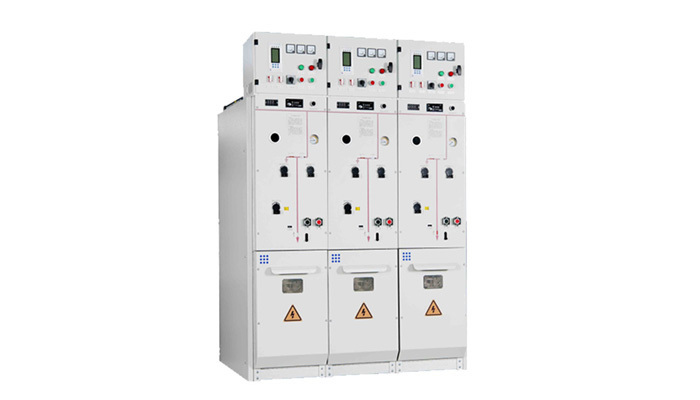
Low Voltage GCK Switchgear is designed for distribution systems operating below 1000 volts. It serves as a critical control and protection unit for electrical circuits. With modular designs and flexible configurations, GCK switchgear is well-suited for various applications ranging from industrial plants to commercial infrastructures.
Key Components of GCK Switchgear
Understanding the essential components of the GCK switchgear helps in grasping its functionality:
- **Circuit Breakers**: These are devices that protect electrical circuits from overloads and short circuits.
- **Busbars**: Conductors that serve as a junction point for distributing electrical power.
- **Control Panels**: Interfaces where operators can monitor and control the electrical systems.
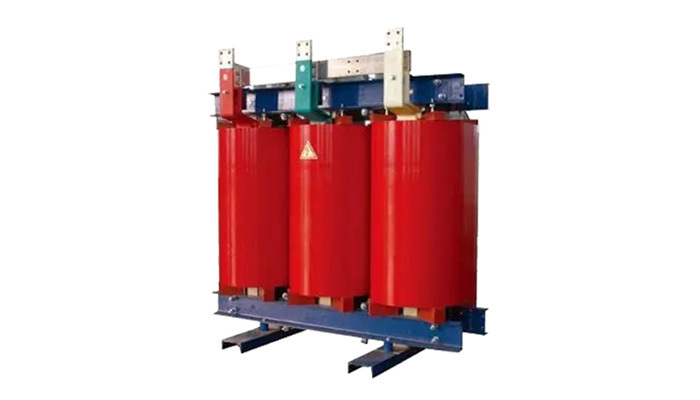
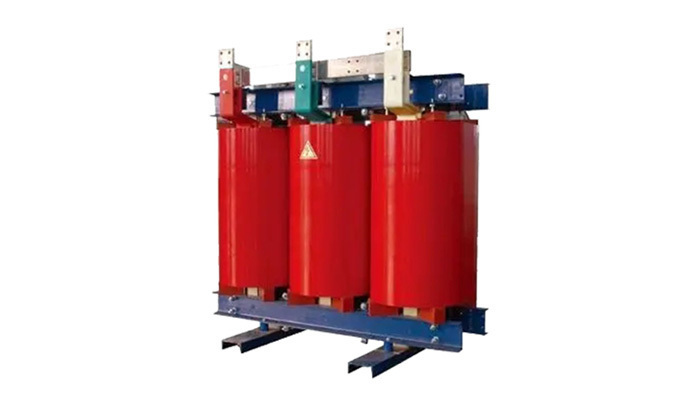
- **Transformers**: Devices that adjust voltage levels for safe distribution.
Benefits of Using Low Voltage GCK Switchgear
1. **Enhanced Safety**: Equipped with advanced protection features, GCK switchgear minimizes the risk of electrical accidents.
2. **Modularity**: The design allows for easy upgrades and expansions, accommodating future needs without major overhauls.
3. **Energy Efficiency**: GCK systems are designed to minimize energy losses during power distribution.
Performance Metrics: What to Look For
Performance in GCK switchgear can be evaluated through several key metrics:
1. Load Capacity
The load capacity defines how much electrical current the GCK switchgear can handle without overheating or failing. A higher load capacity translates to better performance in demanding environments.
2. Short-Circuit Withstand Strength
This metric indicates the ability of the switchgear to withstand short-circuit conditions, ensuring that the equipment can handle unexpected spikes in current without compromising safety or integrity.
3. Operational Reliability
A reliable GCK switchgear system will have minimal downtime and require less maintenance. Look for systems with proven longevity and robust operational records.
Cost Considerations: Finding the Right Balance
While performance is crucial, cost plays an equally important role in the decision-making process. Here are some cost-related factors to consider when selecting GCK switchgear:
1. Initial Investment
The upfront cost of purchasing and installing GCK switchgear can vary widely depending on specifications and features. It’s essential to assess your budget while considering the future operational needs.
2. Maintenance Expenses
Regular maintenance is vital for the longevity of switchgear systems. Consider the long-term costs associated with upkeep, including replacement parts and professional servicing.
3. Energy Efficiency and Operational Costs
Investing in energy-efficient GCK switchgear can lead to significant savings in operational costs over time, making it a more cost-effective choice in the long run.
Applications of Low Voltage GCK Switchgear
The versatility of GCK switchgear allows it to be used in various sectors, including:
1. Industrial Manufacturing
In manufacturing environments, GCK switchgear ensures the safe and efficient distribution of power to machinery and equipment.
2. Commercial Buildings
GCK systems are ideal for commercial buildings, providing reliable power distribution for lighting, HVAC systems, and other essential services.
3. Renewable Energy Systems
With the rise in renewable energy sources, GCK switchgear is increasingly used in solar and wind energy applications, facilitating efficient energy management.
Choosing the Right Low Voltage GCK Switchgear
Selecting the appropriate GCK switchgear requires a thoughtful approach. Here are key considerations:
1. Understand Your Needs
Conduct a thorough analysis of your electrical load requirements, future expansion plans, and operational criteria to choose the right specifications.
2. Evaluate Vendor Reputation
Research suppliers and manufacturers, focusing on their reliability, customer service, and support. A reputable vendor can provide valuable insights and post-purchase assistance.
3. Seek Professional Guidance
Consulting with electrical engineers or industry experts can offer tailored recommendations based on your unique circumstances.
Future Trends in Low Voltage GCK Switchgear
As technology advances, the GCK switchgear industry is on the cusp of significant transformations:
1. Digitalization
The integration of smart technologies is paving the way for more efficient operations, allowing for real-time monitoring and predictive maintenance.
2. Sustainability Initiatives
With environmental awareness on the rise, manufacturers are focusing on creating more sustainable products that minimize energy consumption and waste.
3. Enhanced Safety Features
Emerging safety technologies are being integrated into GCK switchgear to bolster protection against electrical hazards and improve overall system reliability.
FAQs About Low Voltage GCK Switchgear
1. What are the typical applications of Low Voltage GCK Switchgear?
Low Voltage GCK Switchgear is widely used in industrial manufacturing, commercial buildings, and renewable energy systems due to its reliability and efficiency.
2. How do I determine the right load capacity for my GCK switchgear?
Assess your current and anticipated electrical load requirements, including machinery and operational demands, to determine the appropriate load capacity.
3. Are GCK switchgear systems modular?
Yes, GCK switchgear systems are modular, allowing for flexibility in configuration and future upgrades without major system overhauls.
4. What is the importance of short-circuit withstand strength?
Short-circuit withstand strength reflects the switchgear's ability to handle unexpected current spikes, ensuring safety and system integrity.
5. How can I ensure the longevity of my GCK switchgear?
Regular maintenance, monitoring operational performance, and investing in quality components can help ensure the longevity of GCK switchgear systems.
Conclusion
Low Voltage GCK Switchgear represents a critical intersection between performance and cost in the electrical distribution landscape. By understanding the key components, performance metrics, and cost implications, industries can make informed choices that balance efficiency and expenditure. As technology continues to evolve, staying abreast of trends and innovations will further enhance the effectiveness of GCK switchgear. In our quest for enhanced electrical solutions, GCK switchgear stands out as a reliable partner, ensuring that your systems operate safely and efficiently for years to come.
Latest information
Get a Free Consultancy
If you have any suggestions, please leave a message or send an email to us.

Xidong Electric Appliance
Contact Information
Service Hotline
Telephone: +86 13962924051
Whatsapp: +60 11 69869211
E-mail:ghx@xidongdq.com
Address: Tongyu Avenue, Chengdong Town Industrial Park, Haian County, Jiangsu Province
Copyright © 2025 Nantong Xidong Electric Co., Ltd. Powered by www.300.cn
Business License